
Graniti është një lloj shkëmbi magmatik i nxjerrë për forcën, dendësinë, qëndrueshmërinë dhe rezistencën e tij ekstreme ndaj korrozionit. Por graniti është gjithashtu shumë i gjithanshëm - nuk është vetëm për katrorë dhe drejtkëndësha! Në fakt, ne punojmë me besim me komponentë graniti të projektuar në forma, kënde dhe kthesa të të gjitha variacioneve në mënyrë të rregullt - me rezultate të shkëlqyera.
Nëpërmjet përpunimit tonë të teknologjisë së fundit, sipërfaqet e prera mund të jenë jashtëzakonisht të sheshta. Këto cilësi e bëjnë granitin materialin ideal për të krijuar baza makinerish dhe komponentë metrologjikë me madhësi dhe dizajn të personalizuar. Graniti është:
■ i përpunueshëm
■ saktësisht i sheshtë kur pritet dhe përfundohet
■ rezistent ndaj ndryshkut
■ i qëndrueshëm
■ jetëgjatë
Komponentët prej graniti janë gjithashtu të lehtë për t'u pastruar. Kur krijoni dizajne të personalizuara, sigurohuni që të zgjidhni granitin për përfitimet e tij superiore.
STANDARDE / ZBATIME ME VESHTJE TË LARTË
Graniti i përdorur nga ZHHIMG për produktet tona standarde të pllakave sipërfaqësore ka përmbajtje të lartë kuarci, gjë që ofron rezistencë më të madhe ndaj konsumimit dhe dëmtimit. Ngjyrat tona Superior Black kanë shkallë të ulët të thithjes së ujit, duke minimizuar mundësinë që matësit tuaj precizë të ndryshken gjatë vendosjes në pllaka. Ngjyrat e granitit të ofruara nga ZHHIMG rezultojnë në më pak shkëlqim, që do të thotë më pak lodhje të syve për individët që përdorin pllakat. Ne i kemi zgjedhur llojet e granitit tonë duke marrë parasysh zgjerimin termik në një përpjekje për ta mbajtur këtë aspekt minimal.
APLIKACIONE TË PERSONALIZUARA
Kur aplikimi juaj kërkon një pllakë me forma të personalizuara, futje me fileto, prerje ose përpunime të tjera, do të dëshironi të zgjidhni një material si Black Jinan Black. Ky material natyror ofron ngurtësi superiore, zbutje të shkëlqyer të dridhjeve dhe përpunim të përmirësuar.
Është e rëndësishme të theksohet se vetëm ngjyra nuk është një tregues i cilësive fizike të gurit. Në përgjithësi, ngjyra e granitit lidhet drejtpërdrejt me praninë ose mungesën e mineraleve, të cilat mund të mos kenë asnjë ndikim në cilësitë që e bëjnë material të mirë për pllaka sipërfaqësore. Ekzistojnë granite rozë, gri dhe të zeza që janë të shkëlqyera për pllaka sipërfaqësore, si dhe granite të zeza, gri dhe rozë që janë krejtësisht të papërshtatshme për aplikime precize. Karakteristikat kritike të granitit, pasi ato lidhen me përdorimin e tij si material për pllaka sipërfaqësore, nuk kanë të bëjnë fare me ngjyrën dhe janë si më poshtë:
■ Ngurtësi (përkulje nën ngarkesë - e treguar nga Moduli i Elasticitetit)
■ Fortësia
■ Dendësia
■ Rezistencë ndaj konsumimit
■ Stabiliteti
■ Poroziteti
Ne kemi testuar shumë materiale graniti dhe i kemi krahasuar këto materiale. Më në fund kemi arritur në përfundimin se graniti i zi Jinan është materiali më i mirë që kemi njohur ndonjëherë. Graniti i zi indian dhe graniti i Afrikës së Jugut janë të ngjashëm me Granitin e Zi Jinan, por vetitë e tyre fizike janë më të dobëta se Graniti i Zi Jinan. ZHHIMG do të vazhdojë të kërkojë më shumë materiale graniti në botë dhe të krahasojë vetitë e tyre fizike.
Për të folur më shumë rreth granitit të duhur për projektin tuaj, ju lutemi na kontaktoniinfo@zhhimg.com.
Prodhues të ndryshëm përdorin standarde të ndryshme. Ka shumë standarde në botë.
Standardi DIN, ASME B89.3.7-2013 ose Specifikimi Federal GGG-P-463c (Pllaka Sipërfaqësore Graniti) e kështu me radhë si bazë për specifikimet e tyre.
Dhe ne mund të prodhojmë pllaka graniti për inspektim preciz sipas kërkesave tuaja. Ju lutemi të na kontaktoni nëse dëshironi të dini më shumë informacion rreth standardeve të tjera.
Sheshësia mund të konsiderohet si të gjitha pikat në sipërfaqe që përmbahen brenda dy planeve paralele, planit bazë dhe planit të çatisë. Matja e distancës midis planeve është sheshësia e përgjithshme e sipërfaqes. Kjo matje e sheshësisë zakonisht mbart një tolerancë dhe mund të përfshijë një përcaktim të gradës.
Për shembull, tolerancat e rrafshësisë për tre klasa standarde përcaktohen në specifikimin federal siç përcaktohet nga formula e mëposhtme:
■ Klasa Laboratorike AA = (40 + diagonale në katror/25) x .000001" (njëanësore)
■ Klasa e Inspektimit A = Klasa e Laboratorit AA x 2
■ Klasa B e Dhomës së Veglave = Klasa e Laboratorit AA x 4.
Për pllakat sipërfaqësore me madhësi standarde, ne garantojmë toleranca të rrafshësisë që tejkalojnë kërkesat e këtij specifikimi. Përveç rrafshësisë, ASME B89.3.7-2013 dhe Specifikimi Federal GGG-P-463c trajtojnë tema duke përfshirë: saktësinë e matjes së përsëritur, vetitë e materialit të graniteve të pllakave sipërfaqësore, përfundimin e sipërfaqes, vendndodhjen e pikës së mbështetjes, ngurtësinë, metodat e pranueshme të inspektimit, instalimin e futjeve me fileto, etj.
Pllakat sipërfaqësore të granitit ZHHIMG dhe pllakat e inspektimit të granitit plotësojnë ose tejkalojnë të gjitha kërkesat e përcaktuara në këtë specifikim. Aktualisht, nuk ka një specifikim përcaktues për pllakat këndore, paralelet ose katrorët kryesorë të granitit.
Dhe mund të gjeni formulat për standarde të tjera nëSHKARKO.
Së pari, është e rëndësishme ta mbani pllakën të pastër. Pluhuri gërryes i përhapur në ajër është zakonisht burimi më i madh i konsumimit në një pllakë, pasi tenton të ngulitet në pjesët e punës dhe në sipërfaqet e kontaktit të matësve. Së dyti, mbulojeni pllakën tuaj për ta mbrojtur atë nga pluhuri dhe dëmtimet. Jetëgjatësia e konsumimit mund të zgjatet duke e mbuluar pllakën kur nuk është në përdorim, duke e rrotulluar pllakën periodikisht në mënyrë që një zonë e vetme të mos përdoret shumë dhe duke zëvendësuar jastëkët e kontaktit të çelikut në matës me jastëkë karbidi. Gjithashtu, shmangni vendosjen e ushqimit ose pijeve të gazuara në pllakë. Vini re se shumë pije të gazuara përmbajnë acid karbonik ose fosforik, i cili mund të tresë mineralet më të buta dhe të lërë gropëza të vogla në sipërfaqe.
Kjo varet nga mënyra se si përdoret pjata. Nëse është e mundur, ne rekomandojmë pastrimin e pjatës në fillim të ditës (ose turnit të punës) dhe përsëri në fund. Nëse pjata ndotet, veçanërisht me lëngje vajore ose ngjitëse, ndoshta duhet të pastrohet menjëherë.
Pastroni pllakën rregullisht me lëng ose pastrues për sipërfaqen e pllakave ZHHIMG Waterless. Zgjedhja e tretësirave të pastrimit është e rëndësishme. Nëse përdoret një tretës i avullueshëm (aceton, hollues llaku, alkool, etj.), avullimi do ta ftohë sipërfaqen dhe do ta shtrembërojë atë. Në këtë rast, është e nevojshme ta lini pjatën të normalizohet para se ta përdorni, përndryshe do të ndodhin gabime në matje.
Sasia e kohës që duhet që pjata të normalizohet do të ndryshojë në varësi të madhësisë së pjatës dhe sasisë së ftohjes. Një orë duhet të jetë e mjaftueshme për pjata më të vogla. Dy orë mund të nevojiten për pjata më të mëdha. Nëse përdoret një pastrues me bazë uji, do të ketë edhe pak ftohje avulluese.
Pllaka gjithashtu do të mbajë ujin, dhe kjo mund të shkaktojë ndryshkjen e pjesëve metalike në kontakt me sipërfaqen. Disa pastrues gjithashtu do të lënë një mbetje ngjitëse pasi të thahen, e cila do të tërheqë pluhurin në ajër dhe në fakt do të rrisë konsumimin, në vend që ta zvogëlojë atë.
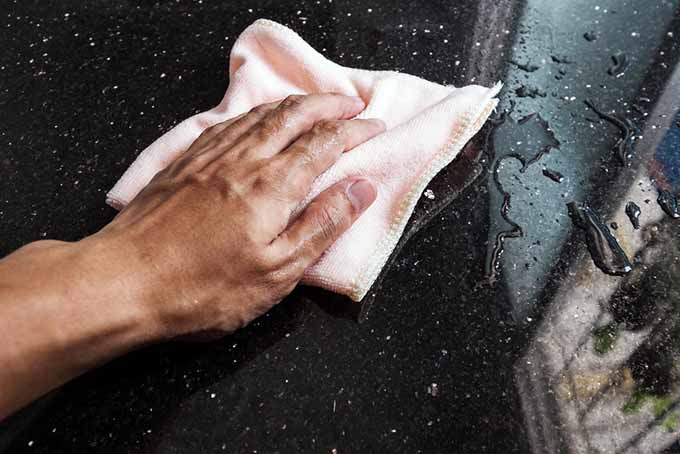
Kjo varet nga përdorimi i pllakës dhe mjedisi. Ne rekomandojmë që një pllakë e re ose aksesor graniti preciz të ri të rikalibrohet plotësisht brenda një viti nga blerja. Nëse pllaka e sipërfaqes së granitit do të përdorët shumë, mund të jetë e këshillueshme që ky interval të shkurtohet në gjashtë muaj. Inspektimi mujor për gabime të përsëritura në matje duke përdorur një nivel elektronik ose një pajisje të ngjashme do të tregojë çdo njollë konsumimi në zhvillim dhe zgjat vetëm disa minuta për t'u kryer. Pasi të përcaktohen rezultatet e rikalibrimit të parë, intervali i kalibrimit mund të zgjatet ose shkurtohet sipas lejes ose kërkesës së sistemit tuaj të brendshëm të cilësisë.
Ne mund të ofrojmë shërbime për t'ju ndihmuar të inspektoni dhe kalibroni pllakën tuaj sipërfaqësore të granitit.

Ekzistojnë disa shkaqe të mundshme për ndryshimet midis kalibrimeve:
- Sipërfaqja u la me një tretësirë të nxehtë ose të ftohtë para kalibrimit dhe nuk iu dha kohë e mjaftueshme për t'u normalizuar.
- Pllaka nuk mbështetet siç duhet
- Ndryshimi i temperaturës
- Draftet
- Rrezet e diellit direkte ose nxehtësia tjetër rrezatuese në sipërfaqen e pllakës. Sigurohuni që ndriçimi sipërfaqësor të mos e ngrohë sipërfaqen.
- Ndryshimet në gradientin vertikal të temperaturës midis dimrit dhe verës (Nëse është e mundur, dijeni temperaturën e gradientit vertikal në kohën kur kryhet kalibrimi.)
- Pllakës nuk i është dhënë kohë e mjaftueshme për t'u normalizuar pas dërgesës.
- Përdorimi i papërshtatshëm i pajisjeve të inspektimit ose përdorimi i pajisjeve të pakalibruara
- Ndryshimi i sipërfaqes që vjen nga konsumimi
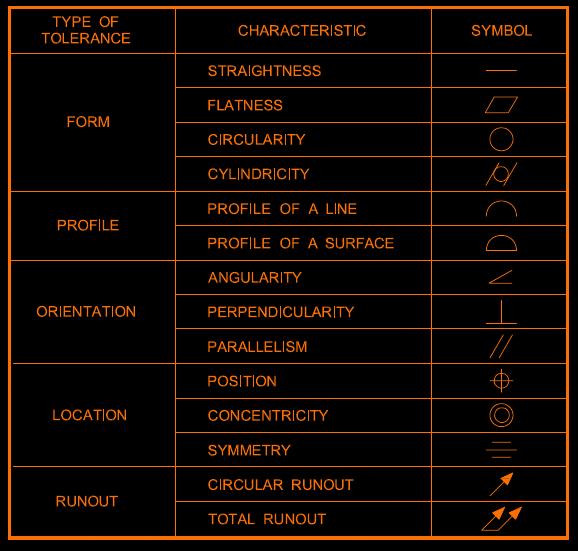
Sa lloje vrimash ka në granitin preciz?
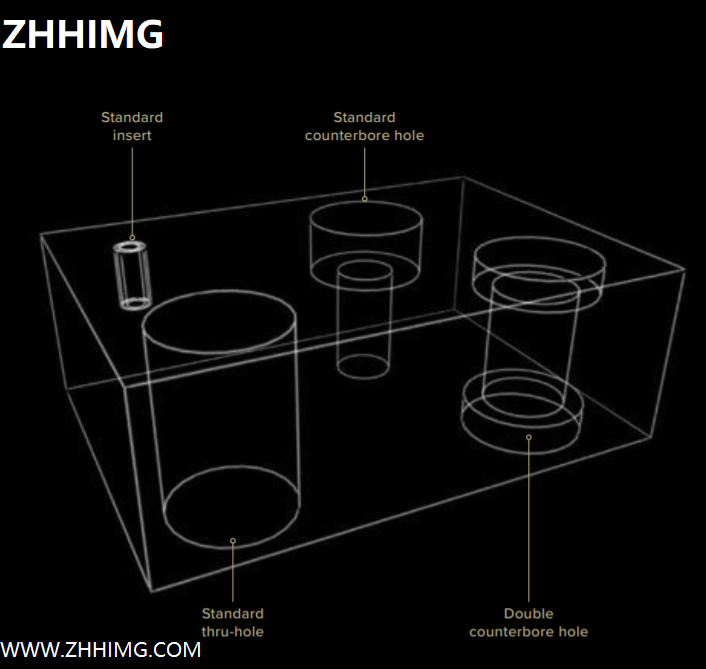
Hapje në Komponentët e Granitit Preciz
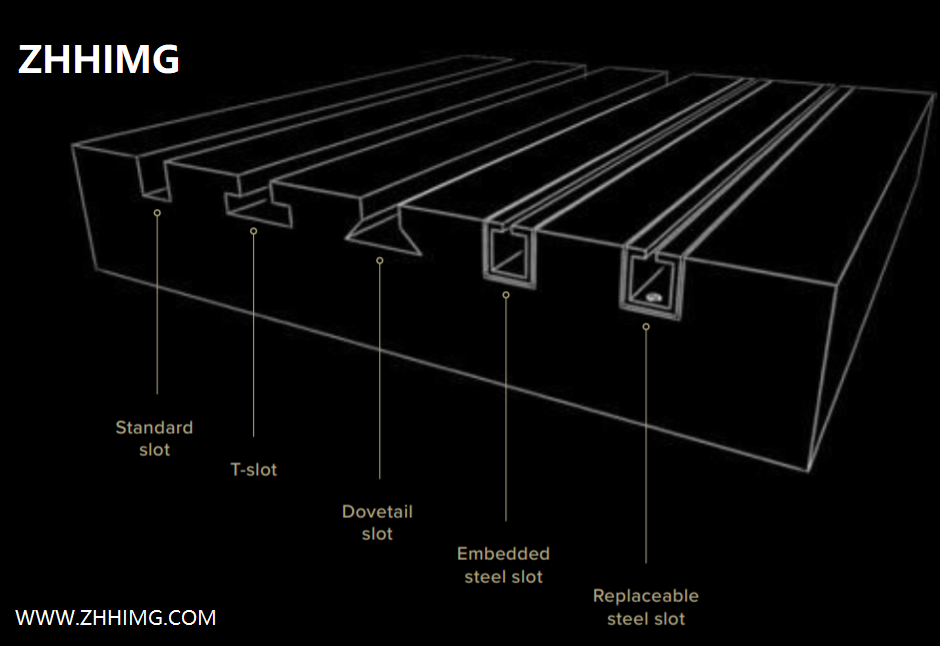
Për shumë fabrika, dhoma inspektimi dhe laboratorë, pllakat sipërfaqësore precize prej graniti përdoren si bazë për matje të sakta. Meqenëse çdo matje lineare varet nga një sipërfaqe referimi e saktë nga e cila merren dimensionet përfundimtare, pllakat sipërfaqësore ofrojnë planin më të mirë të referencës për inspektimin e punës dhe paraqitjen para përpunimit. Ato janë gjithashtu baza ideale për të bërë matje lartësie dhe sipërfaqe matëse. Për më tepër, një shkallë e lartë e sheshtësisë, stabilitetit, cilësisë së përgjithshme dhe punimit i bëjnë ato një zgjedhje të mirë për montimin e sistemeve të sofistikuara mekanike, elektronike dhe optike të matjes. Për cilindo nga këto procese matjeje, është e domosdoshme që pllakat sipërfaqësore të mbahen të kalibruara.
Përsëritja e matjeve dhe sheshtësia
Si matjet e sheshtësisë ashtu edhe ato të përsëritura janë kritike për të siguruar një sipërfaqe precize. Sheshtësia mund të konsiderohet si të gjitha pikat në sipërfaqe që përmbahen brenda dy planeve paralele, planit bazë dhe planit të çatisë. Matja e distancës midis planeve është sheshtësia e përgjithshme e sipërfaqes. Kjo matje e sheshtësisë zakonisht mbart një tolerancë dhe mund të përfshijë një përcaktim të gradës.
Tolerancat e rrafshësisë për tre klasat standarde përcaktohen në specifikimin federal siç përcaktohet nga formula e mëposhtme:
Standardi DIN, Standardi GB, Standardi ASME, Standardi JJS... vende të ndryshme me qëndrime të ndryshme...
Më shumë detaje rreth standardit.
Përveç rrafshësisë, duhet të sigurohet edhe përsëritshmëria. Një matje e përsëritur është një matje e sipërfaqeve të rrafshësisë lokale. Është një matje e marrë kudo në sipërfaqen e një pllake që do të përsëritet brenda tolerancës së deklaruar. Kontrollimi i rrafshësisë së sipërfaqes lokale në një tolerancë më të ngushtë se rrafshësia e përgjithshme garanton një ndryshim gradual në profilin e rrafshësisë së sipërfaqes, duke minimizuar kështu gabimet lokale.
Për të siguruar që një pllakë sipërfaqësore përmbush specifikimet e rrafshësisë dhe matjes së përsëritur, prodhuesit e pllakave sipërfaqësore të granitit duhet të përdorin Specifikimin Federal GGG-P-463c si bazë për specifikimet e tyre. Ky standard trajton saktësinë e matjes së përsëritur, vetitë e materialit të pllakës sipërfaqësore të granitit, përfundimin e sipërfaqes, vendndodhjen e pikës së mbështetjes, ngurtësinë, metodat e pranueshme të inspektimit dhe instalimin e futjeve me fileto.
Kontrollimi i saktësisë së pllakës
Duke ndjekur disa udhëzime të thjeshta, një investim në një pllakë sipërfaqësore graniti duhet të zgjasë për shumë vite. Në varësi të përdorimit të pllakës, mjedisit të punishtes dhe saktësisë së kërkuar, frekuenca e kontrollit të saktësisë së pllakës sipërfaqësore ndryshon. Një rregull i përgjithshëm është që një pllakë e re të rikalibrohet plotësisht brenda një viti nga blerja. Nëse pllaka përdoret shpesh, këshillohet që ky interval të shkurtohet në gjashtë muaj.
Përpara se një pllakë sipërfaqësore të konsumohet përtej specifikimeve për sheshtësinë e përgjithshme, ajo do të tregojë shtylla të konsumuara ose të valëzuara. Inspektimi mujor për gabime të matjes së përsëritur duke përdorur një matës leximi të përsëritur do të identifikojë pikat e konsumimit. Një matës leximi të përsëritur është një instrument me precizion të lartë që zbulon gabimin lokal dhe mund të shfaqet në një amplifikator elektronik me zmadhim të lartë.
Një program efektiv inspektimi duhet të përfshijë kontrolle të rregullta me një autokolimator, duke siguruar kalibrim aktual të sheshtësisë së përgjithshme të gjurmueshme deri te Instituti Kombëtar i Standardeve dhe Teknologjisë (NIST). Kalibrimi gjithëpërfshirës nga prodhuesi ose një kompani e pavarur është i nevojshëm herë pas here.
Variacionet midis kalibrimeve
Në disa raste, ka ndryshime midis kalibrimit të pllakave sipërfaqësore. Ndonjëherë faktorë të tillë si ndryshimi i sipërfaqes që vjen nga konsumimi, përdorimi i gabuar i pajisjeve të inspektimit ose përdorimi i pajisjeve të pakalibruara mund të shpjegojnë këto ndryshime. Megjithatë, dy faktorët më të zakonshëm janë temperatura dhe mbështetja.
Një nga variablat më të rëndësishme është temperatura. Për shembull, sipërfaqja mund të jetë larë me një tretësirë të nxehtë ose të ftohtë para kalibrimit dhe nuk i është dhënë kohë e mjaftueshme për t'u normalizuar. Shkaqe të tjera të ndryshimit të temperaturës përfshijnë rrymat e ajrit të ftohtë ose të nxehtë, rrezet e diellit direkte, ndriçimin sipër ose burime të tjera të nxehtësisë rrezatuese në sipërfaqen e pllakës.
Gjithashtu mund të ketë ndryshime në gradientin vertikal të temperaturës midis dimrit dhe verës. Në disa raste, pllakës nuk i jepet kohë e mjaftueshme për t'u normalizuar pas transportimit. Është një ide e mirë të regjistrohet temperatura e gradientit vertikal në kohën kur kryhet kalibrimi.
Një tjetër shkak i zakonshëm për ndryshimin e kalibrimit është një pllakë që nuk mbështetet siç duhet. Një pllakë sipërfaqësore duhet të mbështetet në tre pika, idealisht të vendosura 20% të gjatësisë nga skajet e pllakës. Dy mbështetëse duhet të vendosen 20% të gjerësisë nga anët e gjata, dhe mbështetësja e mbetur duhet të jetë e përqendruar.
Vetëm tre pika mund të mbështeten fort në çdo gjë tjetër përveç një sipërfaqeje precize. Përpjekja për të mbështetur pllakën në më shumë se tre pika do të bëjë që pllaka të marrë mbështetjen e saj nga kombinime të ndryshme të tre pikave, të cilat nuk do të jenë të njëjtat tre pika në të cilat është mbështetur gjatë prodhimit. Kjo do të sjellë gabime ndërsa pllaka devijohet për t'u përshtatur me rregullimin e ri të mbështetjes. Konsideroni përdorimin e mbështetëseve prej çeliku me trarë mbështetës të projektuar për t'u rreshtuar me pikat e duhura të mbështetjes. Mbështetëset për këtë qëllim janë përgjithësisht të disponueshme nga prodhuesi i pllakave sipërfaqësore.
Nëse pllaka mbështetet siç duhet, nivelimi i saktë është i nevojshëm vetëm nëse një aplikim e specifikon atë. Nivelimi nuk është i nevojshëm për të ruajtur saktësinë e një pllake të mbështetur siç duhet.
Zgjatni Jetëgjatësinë e Pllakës
Ndjekja e disa udhëzimeve do të zvogëlojë konsumimin e një pllake sipërfaqësore graniti dhe në fund të fundit, do të zgjasë jetëgjatësinë e saj.
Së pari, është e rëndësishme ta mbani pllakën të pastër. Pluhuri gërryes i përhapur në ajër është zakonisht burimi më i madh i konsumimit të një pllake, pasi ai tenton të ngulitet në pjesët e punës dhe në sipërfaqet e kontaktit të matësve.
Gjithashtu është e rëndësishme të mbulohen pllakat për t'i mbrojtur nga pluhuri dhe dëmtimet. Jetëgjatësia e përdorimit mund të zgjatet duke e mbuluar pjatën kur nuk është në përdorim.
Rrotullojeni pllakën periodikisht në mënyrë që një zonë e vetme të mos përdoret shumë. Gjithashtu, rekomandohet të zëvendësoni jastëkët e kontaktit të çelikut në matës me jastëkë karabit.
Shmangni vendosjen e ushqimit ose pijeve të gazuara në pjatë. Shumë pije të gazuara përmbajnë acid karbonik ose fosforik, i cili mund të tresë mineralet më të buta dhe të lërë gropëza të vogla në sipërfaqe.
Ku të rikthehesh
Kur një pllakë sipërfaqësore graniti ka nevojë për rilyerje, merrni në konsideratë nëse duhet ta kryeni këtë shërbim në vend apo në qendrën e kalibrimit. Është gjithmonë e preferueshme që pllaka të rilyhet në fabrikë ose në një strukturë të dedikuar. Megjithatë, nëse pllaka nuk është shumë e konsumuar, përgjithësisht brenda 0.001 inç të tolerancës së kërkuar, ajo mund të rilyhet në vend. Nëse një pllakë është e konsumuar deri në atë pikë sa është më shumë se 0.001 inç jashtë tolerancës, ose nëse është shumë e gropëzuar ose e gërvishtur, atëherë ajo duhet të dërgohet në fabrikë për bluarje para rilyerjes.
Një qendër kalibrimi ka pajisjet dhe cilësimet e fabrikës që ofrojnë kushtet optimale për kalibrimin e duhur të pllakave dhe ripërpunimin nëse është e nevojshme.
Duhet treguar shumë kujdes në zgjedhjen e një tekniku për kalibrim dhe ripërpunim në vend. Kërkoni akreditim dhe verifikoni nëse pajisjet që tekniku do të përdorë kanë një kalibrim të gjurmueshëm. Përvoja është gjithashtu një faktor i rëndësishëm, pasi duhen shumë vite për të mësuar se si të lyeni saktë granitin me precizion.
Matjet kritike fillojnë me një pllakë sipërfaqësore graniti precize si pikë bazë. Duke siguruar një referencë të besueshme duke përdorur një pllakë sipërfaqësore të kalibruar siç duhet, prodhuesit kanë një nga mjetet thelbësore për matje të besueshme dhe pjesë me cilësi më të mirë.Q
Lista e kontrollit për ndryshimet e kalibrimit
1. Sipërfaqja u la me një tretësirë të nxehtë ose të ftohtë para kalibrimit dhe nuk iu la kohë e mjaftueshme për t'u normalizuar.
2. Pllaka nuk është mbështetur siç duhet.
3. Ndryshimi i temperaturës.
4. Drafte.
5. Rrezet e diellit direkte ose nxehtësia tjetër rrezatuese mbi sipërfaqen e pllakës. Sigurohuni që ndriçimi sipër kokës të mos e ngrohë sipërfaqen.
6. Ndryshimet në gradientin vertikal të temperaturës midis dimrit dhe verës. Nëse është e mundur, dijeni temperaturën e gradientit vertikal në kohën kur kryhet kalibrimi.
7. Pllakës nuk i është dhënë kohë e mjaftueshme për t'u normalizuar pas dërgesës.
8. Përdorim i papërshtatshëm i pajisjeve të inspektimit ose përdorimi i pajisjeve të pakalibruara.
9. Ndryshimi i sipërfaqes që rezulton nga konsumimi.
Këshilla Teknologjike
- Meqenëse çdo matje lineare varet nga një sipërfaqe referimi e saktë nga e cila merren dimensionet përfundimtare, pllakat sipërfaqësore ofrojnë planin më të mirë të referencës për inspektimin e punës dhe paraqitjen para përpunimit.
- Kontrollimi i rrafshësisë së sipërfaqes lokale me një tolerancë më të ngushtë se rrafshësia e përgjithshme garanton një ndryshim gradual në profilin e rrafshësisë së sipërfaqes, duke minimizuar kështu gabimet lokale.
- Një program efektiv inspektimi duhet të përfshijë kontrolle të rregullta me një autokolimator, duke siguruar kalibrim aktual të sheshtësisë së përgjithshme të gjurmueshme deri te Autoriteti Kombëtar i Inspektimit.
Ndër grimcat minerale që përbëjnë granitin, më shumë se 90% janë feldspat dhe kuarc, nga të cilët feldspati është më i shumti. Feldspati është shpesh i bardhë, gri dhe i kuq si mishi, dhe kuarci është kryesisht pa ngjyrë ose i bardhë gri, të cilat përbëjnë ngjyrën bazë të granitit. Feldspati dhe kuarci janë minerale të forta dhe është e vështirë të lëvizësh me thikë çeliku. Sa i përket njollave të errëta në granit, kryesisht mikë të zezë, ka disa minerale të tjera. Edhe pse biotiti është relativisht i butë, aftësia e tij për t'i rezistuar stresit nuk është e dobët dhe në të njëjtën kohë ato kanë një sasi të vogël në granit, shpesh më pak se 10%. Kjo është gjendja materiale në të cilën graniti është veçanërisht i fortë.
Një arsye tjetër pse graniti është i fortë është se grimcat e tij minerale janë të lidhura fort me njëra-tjetrën dhe janë të ngulitura në njëra-tjetrën. Poret shpesh përbëjnë më pak se 1% të vëllimit të përgjithshëm të shkëmbit. Kjo i jep granitit aftësinë për t'i bërë ballë presioneve të forta dhe nuk depërtohet lehtë nga lagështia.
Komponentët e granitit janë bërë prej guri pa ndryshk, rezistencë ndaj acideve dhe alkaleve, rezistencë të mirë ndaj konsumimit dhe jetëgjatësi të gjatë shërbimi, pa mirëmbajtje të veçantë. Komponentët precizë të granitit përdoren kryesisht në përpunimin e veglave të industrisë së makinerive. Prandaj, ato quhen komponentë precizë graniti ose komponentë graniti. Karakteristikat e komponentëve precizë të granitit janë në thelb të njëjta me ato të platformave të granitit. Hyrje në përpunimin e veglave dhe matjen e komponentëve precizë të granitit: Përpunimi preciz dhe teknologjia e mikropërpunimit janë drejtime të rëndësishme zhvillimi të industrisë së prodhimit të makinerive dhe janë bërë një tregues i rëndësishëm për të matur një nivel të teknologjisë së lartë. Zhvillimi i teknologjisë së përparuar dhe industria e mbrojtjes është i pandashëm nga përpunimi preciz dhe teknologjia e mikropërpunimit. Komponentët e granitit mund të rrëshqasin pa probleme gjatë matjes, pa ngecje. Matja e sipërfaqes së punës, gërvishtjet e përgjithshme nuk ndikojnë në saktësinë e matjes. Komponentët e granitit duhet të projektohen dhe prodhohen sipas kërkesave të anës së kërkesës.
Fusha e aplikimit:
Siç e dimë të gjithë, gjithnjë e më shumë makineri dhe pajisje po zgjedhin komponentë graniti precizë.
Komponentët e granitit përdoren për lëvizje dinamike, motorë linearë, CMM, CNC, makina lazeri...
ju mirëpresim të na kontaktoni për më shumë informacion.
Pajisjet matëse të granitit dhe përbërësit mekanikë të granitit janë bërë nga granit i zi Jinan me cilësi të lartë. Për shkak të saktësisë së tyre të lartë, qëndrueshmërisë së gjatë, stabilitetit të mirë dhe rezistencës ndaj korrozionit, ato janë përdorur gjithnjë e më shumë në inspektimin e produkteve të industrisë moderne dhe fushave të tilla shkencore si mekanika aerohapësinore dhe kërkimet shkencore.
Avantazhet
----Dy herë më i fortë se giza;
----Ndryshimet minimale të dimensioneve janë për shkak të ndryshimeve të temperaturës;
----Pa shtrydhje, kështu që nuk ka ndërprerje të punës;
----Pa gunga ose zgjatje për shkak të strukturës së kokërrzave të imëta dhe ngjitjes së parëndësishme, e cila siguron shkallë të lartë të sheshtësisë gjatë një jetëgjatësie të gjatë shërbimi dhe nuk shkakton dëmtime në pjesë ose instrumente të tjera;
----Funksionim pa probleme për përdorim me materiale magnetike;
----Jetëgjatësi dhe pa ndryshk, duke rezultuar në kosto të ulëta mirëmbajtjeje.
Pllakat sipërfaqësore të granitit me precizion janë të lëmuara me precizion me një standard të lartë rrafshësie për të arritur saktësi dhe përdoren si bazë për montimin e sistemeve të sofistikuara të matjes mekanike, elektronike dhe optike.
Disa nga karakteristikat unike të pllakës sipërfaqësore të granitit:
Uniformiteti në Fortësi;
Kushtet e sakta nën ngarkesë;
Absorbues i dridhjeve;
Lehtë për t’u pastruar;
Rezistent ndaj mbështjelljes;
Porozitet i ulët;
Jo-gërryes;
Jo-magnetike
Avantazhet e Pllakës Sipërfaqësore të Granitit
Së pari, shkëmbi pas një periudhe të gjatë plakjeje natyrore, strukturë uniforme, koeficient minimal, stresi i brendshëm zhduket plotësisht, nuk deformohet, kështu që saktësia është e lartë.
Së dyti, nuk do të ketë gërvishtje, jo në kushte të temperaturës konstante, në temperaturën e dhomës gjithashtu mund të ruajë saktësinë e matjes së temperaturës.
Së treti, jo magnetizim, matja mund të jetë lëvizje e qetë, pa ndjesi kërcitjeje, nuk ndikohet nga lagështia, rrafshi është i fiksuar.
Së katërti, ngurtësia është e mirë, fortësia është e lartë, rezistenca ndaj gërryerjes është e fortë.
Pesë, nuk ka frikë nga erozioni i lëngjeve acide, alkaline, nuk ndryshket, nuk ka nevojë të lyhet me vaj, nuk ngjitet lehtë në mikro-pluhur, mirëmbajtje e lehtë, e lehtë për t'u mirëmbajtur, jetë e gjatë shërbimi.
Pse të zgjidhni bazën e granitit në vend të shtratit të makinës prej gize?
1. Baza e makinës së granitit mund të ruajë saktësi më të lartë se baza e makinës së hekurit të derdhur. Baza e makinës së hekurit të derdhur ndikohet lehtësisht nga temperatura dhe lagështia, por baza e makinës së granitit jo;
2. Me të njëjtën madhësi të bazës së makinës së granitit dhe bazës së gizës, baza e makinës së granitit është më kosto-efektive se giza;
3. Baza e makinës prej graniti special është më e lehtë për t’u përfunduar sesa baza e makinës prej gize.
Pllakat e sipërfaqeve të granitit janë instrumente kyçe në laboratorët e inspektimit në të gjithë vendin. Sipërfaqja e kalibruar dhe jashtëzakonisht e sheshtë e një pllake sipërfaqësore u mundëson inspektorëve t'i përdorin ato si bazë për inspektimet e pjesëve dhe kalibrimin e instrumenteve. Pa stabilitetin e ofruar nga pllakat sipërfaqësore, shumë nga pjesët me tolerancë të ngushtë në fusha të ndryshme teknologjike dhe mjekësore do të ishin shumë më të vështira, nëse jo të pamundura, për t'u prodhuar saktë. Sigurisht, për të përdorur një bllok sipërfaqësor graniti për të kalibruar dhe inspektuar materiale dhe mjete të tjera, duhet të vlerësohet saktësia e vetë granitit. Përdoruesit mund të kalibrojnë një pllakë sipërfaqësore graniti për të siguruar saktësinë e saj.
Pastroni pllakën sipërfaqësore të granitit para kalibrimit. Hidhni një sasi të vogël pastruesi për pllakat e sipërfaqes në një leckë të pastër dhe të butë dhe fshijeni sipërfaqen e granitit. Thajeni menjëherë pastruesin nga pllaka sipërfaqësore me një leckë të thatë. Mos e lini lëngun pastrues të thahet në ajër.
Vendosni një matës të përsëritur në qendër të pllakës së sipërfaqes së granitit.
Vendosni matësin e përsëritur në zerot e sipërfaqes së pllakës së granitit.
Lëvizni matësin ngadalë përgjatë sipërfaqes së granitit. Shikoni treguesin e matësit dhe regjistroni majat e çdo ndryshimi në lartësi ndërsa lëvizni instrumentin përgjatë pllakës.
Krahasoni ndryshimin e rrafshësisë në të gjithë sipërfaqen e pllakës me tolerancat për pllakën tuaj sipërfaqësore, të cilat ndryshojnë në bazë të madhësisë së pllakës dhe shkallës së rrafshësisë së granitit. Konsultohuni me specifikimin federal GGG-P-463c (shih Burimet) për të përcaktuar nëse pllaka juaj i plotëson kërkesat e rrafshësisë për madhësinë dhe gradën e saj. Ndryshimi midis pikës më të lartë në pllakë dhe pikës më të ulët në pllakë është matja e rrafshësisë së saj.
Kontrolloni që ndryshimet më të mëdha të thellësisë në sipërfaqen e pllakës të jenë brenda specifikimeve të përsëritshmërisë për një pllakë të asaj madhësie dhe shkalle. Konsultohuni me specifikimin federal GGG-P-463c (shih Burimet) për të përcaktuar nëse pllaka juaj i plotëson kërkesat e përsëritshmërisë për madhësinë e saj. Hidhni poshtë pllakën sipërfaqësore nëse edhe një pikë e vetme nuk i plotëson kërkesat e përsëritshmërisë.
Ndalo përdorimin e një pllake sipërfaqësore graniti që nuk i plotëson kërkesat federale. Ktheje pllakën te prodhuesi ose te një kompani për sipërfaqe graniti që blloku të rilustrohet për të përmbushur specifikimet.
Bakshish
Kryeni kalibrime formale të paktën një herë në vit, megjithëse pllakat sipërfaqësore të granitit që përdoren shumë duhet të kalibrohen më shpesh.
Kalibrimi formal dhe i regjistrueshëm në mjediset e prodhimit ose të inspektimit shpesh kryhet nga sigurimi i cilësisë ose nga një shitës i shërbimeve të kalibrimit të jashtëm, megjithëse kushdo mund të përdorë një matës të përsëritur për të kontrolluar në mënyrë joformale një pllakë sipërfaqësore para përdorimit.
Historia e hershme e pllakave sipërfaqësore të granitit
Përpara Luftës së Dytë Botërore, Prodhuesit përdornin Pllaka Sipërfaqësore Çeliku për inspektimin dimensional të pjesëve. Gjatë Luftës së Dytë Botërore, nevoja për çelik u rrit ndjeshëm dhe shumë Pllaka Sipërfaqësore Çeliku u shkrinë. Nevojitet një zëvendësim dhe Graniti u bë materiali i zgjedhur për shkak të vetive të tij superiore metrologjike.
Disa avantazhe të granitit ndaj çelikut u bënë të dukshme. Graniti është më i fortë, megjithëse më i brishtë dhe i ndjeshëm ndaj copëtimit. Graniti mund të përpunohet deri në një sheshim shumë më të madh dhe më të shpejtë se çeliku. Graniti gjithashtu ka vetinë e dëshirueshme të një zgjerimi termik më të ulët krahasuar me çelikun. Për më tepër, nëse një pllakë çeliku kishte nevojë për riparim, ajo duhej të kruhej me dorë nga artizanët të cilët gjithashtu aplikonin aftësitë e tyre në rindërtimin e makinerive.
Si shënim anësor, disa pllaka sipërfaqësore çeliku janë ende në përdorim sot.
Vetitë Metrologjike të Pllakave të Granitit
Graniti është një shkëmb magmatik i formuar nga shpërthimet vullkanike. Në krahasim, mermeri është gur gëlqeror i metamorfozuar. Për përdorim metrologjik, graniti i përzgjedhur duhet të përmbushë kërkesat specifike të përcaktuara në Specifikimin Federal GGG-P-463c, që tani e tutje quhet Specifikimet Federale, dhe konkretisht, Pjesa 3.1 3.1 Ndër Specifikimet Federale, graniti duhet të ketë një teksturë të imët deri në kokërr mesatare.
Graniti është një material i fortë, por fortësia e tij ndryshon për disa arsye. Një teknik me përvojë në pllaka graniti mund ta vlerësojë fortësinë nga ngjyra e tij, e cila është një tregues i përmbajtjes së kuarcit. Fortësia e granitit është një veti e përcaktuar pjesërisht nga sasia e përmbajtjes së kuarcit dhe mungesa e mikës. Granitët e kuq dhe rozë kanë tendencë të jenë më të fortët, gritë kanë fortësi mesatare dhe të zinjtë janë më të butët.
Moduli i Elasticitetit i Young-ut përdoret për të shprehur fleksibilitetin ose treguesin e fortësisë së gurit. Graniti rozë mesatarisht ka 3-5 pikë në shkallë, gritë 5-7 pikë dhe të zezat 7-10 pikë. Sa më i vogël numri, aq më i fortë tenton të jetë graniti. Sa më i madh numri, aq më i butë dhe më fleksibël është graniti. Është e rëndësishme të dini fortësinë e Granitit kur zgjidhni një trashësi të kërkuar për shkallët e tolerancës dhe peshën e pjesëve dhe matësve të vendosur mbi të.
Në kohët e vjetra, kur kishte mekanikë të vërtetë, të njohur nga broshurat e tyre të tabelave të trig-ut në xhepat e këmishave, graniti i zi konsiderohej si "Më i Miri". Më i Miri përcaktohej si lloji që jepte më shumë rezistencë ndaj konsumimit ose ishte më i fortë. Një pengesë është se granitet më të fortë kanë tendencë të çahen ose të gërvishten më lehtë. Mekanikët ishin aq të bindur se graniti i zi ishte më i miri saqë disa prodhues të granitit rozë i lyenin ato me të zezë.
Personalisht kam qenë dëshmitar i një pllake që ra nga një pirun ngritës kur u zhvendos nga depoja. Pllaka ra në dysheme dhe u nda në dy pjesë duke zbuluar ngjyrën e vërtetë rozë. Kini kujdes nëse planifikoni të blini granit të zi nga Kina. Ne ju rekomandojmë t'i shpenzoni paratë tuaja në ndonjë mënyrë tjetër. Një pllakë graniti mund të ndryshojë në fortësi brenda vetes. Një vijë kuarci mund të jetë shumë më e fortë se pjesa tjetër e pllakës sipërfaqësore. Një shtresë gabro e zezë mund ta bëjë një sipërfaqe shumë më të butë. Një teknik i trajnuar mirë dhe me përvojë në riparimin e pllakave sipërfaqësore di si t'i trajtojë këto zona të buta.
Klasat e Pllakave Sipërfaqësore
Ekzistojnë katër klasa pllakash sipërfaqësore. Klasa laboratorike AA dhe A, Klasa B e Inspektimit të Dhomës, dhe e katërta është Klasa e Punëtorisë. Klasat AA dhe A janë më të sheshtat me toleranca rrafshësie më të mira se 0.00001 inç për një pllakë të Klasës AA. Klasat e Punëtorisë janë më pak të sheshtat dhe, siç sugjeron edhe emri, janë të destinuara për përdorim në dhomat e veglave. Ndërsa Klasa AA, Klasa A dhe Klasa B janë të destinuara për përdorim në një laborator inspektimi ose kontrolli të cilësisë.
PTestimi i roper për kalibrimin e pllakës sipërfaqësore
Gjithmonë u kam thënë klientëve të mi se mund të nxjerr çdo fëmijë 10-vjeçar nga kisha ime dhe t'i mësoj brenda pak ditësh se si të testojnë një pjatë. Nuk është e vështirë. Kërkon disa teknika për ta kryer detyrën shpejt, teknika që mësohen me kalimin e kohës dhe shumë përsëritje. Duhet t'ju informoj, dhe nuk mund ta theksoj mjaftueshëm, Fed Spec GGG-P-463c NUK ËSHTË një procedurë kalibrimi! Më shumë për këtë më vonë.
Kalibrimi i kontrolleve të rrafshësisë së përgjithshme (Mean Pane) dhe përsëritshmërisë (veshjes së lokalizuar) është i domosdoshëm sipas Specifikimeve të Fed. I vetmi përjashtim nga kjo janë pllakat e vogla ku kërkohet vetëm përsëritshmëria.
Gjithashtu, dhe po aq kritik sa testet e tjera, është edhe testi për gradientët termikë. (Shih Delta T më poshtë)
Figura 1
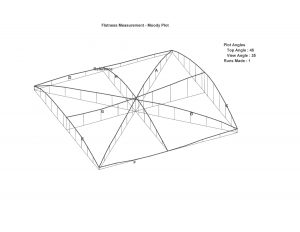
Testimi i rrafshësisë ka 4 metoda të miratuara. Nivel elektronik, autokolimacion, lazer dhe një pajisje e njohur si lokalizues rrafshi. Ne përdorim vetëm nivele elektronike sepse ato janë metoda më e saktë dhe më e shpejtë për disa arsye.
Lazerët dhe autokolimatorët përdorin një rreze drite shumë të drejtë si referencë. Matja e drejtësisë së një pllake sipërfaqësore graniti bëhet duke krahasuar ndryshimin në distancë midis pllakës sipërfaqësore dhe rrezes së dritës. Duke marrë një rreze të drejtë drite, duke e goditur atë në një objektiv reflektor ndërsa lëviz objektivin reflektor poshtë pllakës sipërfaqësore, distanca midis rrezes së emetuar dhe rrezes së kthimit është një matje e drejtësisë.
Ja problemi me këtë metodë. Shënjestra dhe burimi ndikohen nga dridhjet, temperatura e ambientit, një shënjestër jo shumë e sheshtë ose e gërvishtur, ndotja në ajër dhe lëvizja e ajrit (rrymat). Të gjitha këto kontribuojnë në komponentë shtesë të gabimit. Për më tepër, kontributi i gabimit të operatorit nga kontrollet me një autokolimator është më i madh.
Një përdorues me përvojë i autokolimatorit mund të bëjë matje shumë të sakta, por prapëseprapë përballet me probleme me qëndrueshmërinë e leximeve, veçanërisht në distanca më të gjata, pasi reflektimet kanë tendencë të zgjerohen ose të bëhen pak të turbullta. Gjithashtu, një objektiv jo shumë i sheshtë dhe një ditë e gjatë vëzhgimi përmes lenteve prodhojnë gabime shtesë.
Një pajisje për lokalizimin e planit është thjesht qesharake. Kjo pajisje përdor një rreze drite disi të drejtë (krahasuar me një rreze drite të kolimuar ose lazer jashtëzakonisht të drejtë) si referencë. Pajisja mekanike jo vetëm që përdor një tregues normalisht me rezolucion vetëm 20 u inç, por edhe mungesa e drejtësisë së shufrës dhe materialet e ndryshme shtojnë ndjeshëm gabimet në matje. Sipas mendimit tonë, megjithëse metoda është e pranueshme, asnjë laborator kompetent nuk do të përdorte kurrë një pajisje për lokalizimin e planit si një instrument inspektimi përfundimtar.
Nivelat elektronike përdorin gravitetin si referencë. Nivelat elektronike diferenciale nuk ndikohen nga dridhjet. Ato kanë një rezolucion të ulët deri në 0,1 sekondë harku dhe matjet janë të shpejta, të sakta dhe ka shumë pak kontribut gabimi nga një operator me përvojë. As Lokatorët e Planit dhe as autokolimatorët nuk ofrojnë grafikë topografikë (Figura 1) ose izometrikë (Figura 2) të sipërfaqes të gjeneruar nga kompjuteri.
Figura 2
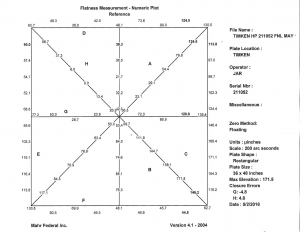
Një Test i Sheshësisë së Sipërfaqes së Duhur
Një test i sheshtësisë së duhur të sipërfaqes është një pjesë kaq e rëndësishme e këtij dokumenti saqë duhet ta kisha vendosur në fillim. Siç u tha më parë, Specifikimi Federal GGG-p-463c NUK ËSHTË një metodë kalibrimi. Ai shërben si një udhëzues për shumë aspekte të granitit të gradës metrologjike, blerësi i synuar i të cilit është çdo Agjenci Federale e Qeverisë, dhe kjo përfshin metodat e testimit dhe tolerancat ose gradët. Nëse një kontraktor pretendon se i është përmbajtur Specifikimeve Federale, atëherë vlera e sheshtësisë duhet të përcaktohet me Metodën Moody.
Moody ishte një studiues që nga vitet '50, i cili shpiku një metodë matematikore për të përcaktuar sheshtësinë e përgjithshme dhe për të llogaritur orientimin e vijave të testuara, pavarësisht nëse ato ishin mjaftueshëm afër në të njëjtin plan. Asgjë nuk ka ndryshuar. Allied Signal u përpoq të përmirësonte metodën matematikore, por arriti në përfundimin se ndryshimet ishin aq të vogla sa nuk ia vlente përpjekja.
Nëse një kontraktor pllakash sipërfaqësore përdor nivela elektronike ose lazer, ai përdor një kompjuter për ta ndihmuar me llogaritjet. Pa ndihmën e kompjuterit, tekniku që përdor autokolimacionin duhet të llogarisë leximet me dorë. Në realitet, ata nuk e bëjnë këtë. Kjo zgjat shumë dhe, sinqerisht, mund të jetë shumë sfiduese. Në një test të sheshtësisë duke përdorur Metodën Moody, tekniku teston tetë vija në një konfigurim Union Jack për drejtësi.
Metoda Moody
Metoda Moody është një mënyrë matematikore për të përcaktuar nëse tetë vijat janë në të njëjtin plan. Përndryshe, keni vetëm 8 vija të drejta që mund të jenë ose jo në ose afër të njëjtit plan. Për më tepër, një kontraktor që pretendon se i përmbahet Specifikimeve të Fed dhe përdor autokolimimin, aiduhetgjeneroni tetë faqe me të dhëna. Një faqe për secilën rresht të kontrolluar për të vërtetuar testimin, riparimin ose të dyja. Përndryshe, kontraktori nuk ka idenë se cila është vlera reale e sheshtësisë.
Jam i sigurt nëse jeni një nga ata që i kalibron pllakat nga një kontraktor duke përdorur autokolimim, nuk i keni parë kurrë ato faqe! Figura 3 është një shembull ivetëm njëNjë faqe me tetë faqe është e nevojshme për të llogaritur rrafshësinë e përgjithshme. Një tregues i kësaj injorance dhe keqdashjeje është nëse raporti juaj ka numra të rrumbullakosur bukur. Për shembull, 200, 400, 650, etj. Një vlerë e llogaritur siç duhet është një numër real. Për shembull 325.4 u In. Kur kontraktori përdor Metodën Moody të llogaritjeve dhe tekniku llogarit vlerat manualisht, duhet të merrni tetë faqe me llogaritje dhe një grafik izometrik. Grafiku izometrik tregon lartësitë e ndryshme përgjatë vijave të ndryshme dhe sa distancë ndan pikat e zgjedhura të kryqëzimit.
Figura 3(Duhen tetë faqe si kjo për të llogaritur manualisht rrafshësinë. Sigurohuni të pyesni pse nuk po e merrni këtë nëse kontraktori juaj përdor autokolimim!)
Figura 4
Teknikët e Matësve Dimensionalë përdorin nivele diferenciale (Figura 4) si pajisje të preferuara për të matur ndryshimet minimale në këndshmëri nga stacioni i matjes në stacion. Nivelet kanë një rezolucion deri në 0,1 sekonda harku (5 u inç duke përdorur sajë 4″), janë jashtëzakonisht të qëndrueshme, nuk ndikohen nga dridhjet, distancat e matura, rrymat e ajrit, lodhja e operatorit, ndotja e ajrit ose ndonjë nga problemet e natyrshme në pajisje të tjera. Shtoni ndihmën e kompjuterit dhe detyra bëhet relativisht e shpejtë, duke gjeneruar grafikë topografikë dhe izometrikë që vërtetojnë verifikimin dhe më e rëndësishmja riparimin.
Një Test i Duhur i Përsëritshmërisë
Leximi i përsëritur ose përsëritshmëria është testi më i rëndësishëm. Pajisjet që përdorim për të kryer testin e përsëritshmërisë janë një pajisje leximi të përsëritur, një LVDT dhe një amplifikator i nevojshëm për lexime me rezolucion të lartë. Ne e vendosim amplifikatorin LVDT në një rezolucion minimal prej 10 u inç ose 5 u inç për pllaka me saktësi të lartë.
Përdorimi i një treguesi mekanik me një rezolucion prej vetëm 20 u inç është i pavlerë nëse po përpiqeni të testoni për një kërkesë përsëritshmërie prej 35 u inç. Treguesit kanë një pasiguri prej 40 u inç! Konfigurimi i leximit të përsëritur imiton një konfigurim matësi lartësie/pjese.
Përsëritshmëria NUK ËSHTË e njëjtë me rrafshësinë e përgjithshme (Plani Mesatar). Më pëlqen ta mendoj përsëritshmërinë në granit të parë si një matje konsistente e rrezes.
Figura 5
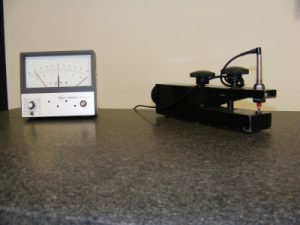
Nëse testoni përsëritshmërinë e një topi të rrumbullakët, atëherë keni treguar se rrezja e topit nuk ka ndryshuar. (Profili ideal i një pllake të riparuar siç duhet ka një formë konvekse me kurorë.) Megjithatë, është e qartë se topi nuk është i sheshtë. Epo, pak a shumë. Në një distancë jashtëzakonisht të shkurtër, është i sheshtë. Meqenëse shumica e punës së inspektimit përfshin një matës lartësie shumë afër pjesës, përsëritshmëria bëhet vetia më kritike e një pllake graniti. Është më e rëndësishme se sheshtësia e përgjithshme, përveç nëse një përdorues po kontrollon drejtësinë e një pjese të gjatë.
Sigurohuni që kontraktori juaj të kryejë një test përsëritjeje të leximit. Një pllakë mund të ketë një lexim të përsëritur që është dukshëm jashtë tolerancës, por prapëseprapë të kalojë një test rrafshësie! Çuditërisht, një laborator mund të marrë akreditim në testime që nuk përfshijnë një test përsëritjeje të leximit. Një laborator që nuk mund të riparojë ose nuk është shumë i mirë në riparime preferon të kryejë vetëm testime rrafshësie. Rrafshësia rrallë ndryshon nëse nuk e lëvizni pllakën.
Testimi i leximit të përsëritur është më i lehtë për t'u testuar, por më i vështiri për t'u arritur gjatë llakimit. Sigurohuni që kontraktori juaj të mund të rivendosë përsëritshmërinë pa e "shtrembëruar" sipërfaqen ose pa lënë valë në sipërfaqe.
Testi Delta T
Ky test përfshin matjen e temperaturës AKTUALE të gurit në sipërfaqen e sipërme dhe të poshtme të tij dhe llogaritjen e ndryshimit, Delta T, për raportimin në certifikatë.
Është e rëndësishme të dihet se koeficienti mesatar i zgjerimit termik në granit është 3.5 uIn/Inç/gradë. Efekti i temperaturave të ambientit dhe lagështisë në një pllakë graniti është i papërfillshëm. Megjithatë, një pllakë sipërfaqësore mund të dalë jashtë tolerancës ose ndonjëherë të përmirësohet edhe nëse është në një Delta T prej 0.3 – 0.5 gradë Fahrenheit. Është e nevojshme të dihet nëse Delta T është brenda 0.12 gradë Fahrenheit nga diferenciali nga kalibrimi i fundit.
Është gjithashtu e rëndësishme të dihet se sipërfaqja e punës së pllakave migron drejt nxehtësisë. Nëse temperatura e sipërme është më e ngrohtë se ajo e poshtme, atëherë sipërfaqja e sipërme ngrihet. Nëse temperatura e poshtme është më e ngrohtë, gjë që është e rrallë, atëherë sipërfaqja e sipërme ulet. Nuk mjafton që një menaxher cilësie ose teknik të dijë që pllaka është e sheshtë dhe e përsëritshme në kohën e kalibrimit ose riparimit, por çfarë ishte Delta T e saj në kohën e testimit përfundimtar të kalibrimit. Në situata kritike, një përdorues mundet, duke matur vetë Delta T, të përcaktojë nëse një pllakë ka dalë jashtë tolerancës vetëm për shkak të ndryshimeve të Delta T. Për fat të mirë, graniti kërkon shumë orë ose edhe ditë për t'u ambientuar me një mjedis. Luhatjet e vogla në temperaturën e ambientit gjatë gjithë ditës nuk do ta ndikojnë atë. Për këto arsye, ne nuk raportojmë temperaturën ose lagështinë e kalibrimit të ambientit sepse efektet janë të papërfillshme.
Veshja e pllakave të granitit
Ndërsa graniti është më i fortë se pllakat e çelikut, graniti prapëseprapë zhvillon njolla të ulëta në sipërfaqe. Lëvizja përsëritëse e pjesëve dhe matësve në pllakën sipërfaqësore është burimi më i madh i konsumimit, veçanërisht nëse e njëjta zonë është vazhdimisht në përdorim. Papastërtia dhe pluhuri i bluarjes që lihen të qëndrojnë në sipërfaqen e një pllake përshpejtojnë procesin e konsumimit ndërsa hyjnë midis pjesëve ose matësve dhe sipërfaqes së granitit. Kur lëvizin pjesët dhe matësat nëpër sipërfaqen e saj, pluhuri gërryes zakonisht është shkaku i konsumimit shtesë. Unë rekomandoj fuqimisht pastrimin e vazhdueshëm për të zvogëluar konsumimin. Ne kemi parë konsumim në pllaka të shkaktuara nga dërgesat e përditshme të pakove UPS të vendosura sipër pllakave! Ato zona të lokalizuara të konsumimit ndikojnë në leximet e testit të përsëritshmërisë së kalibrimit. Shmangni konsumimin duke pastruar rregullisht.
Pastrimi i pllakave të granitit
Për ta mbajtur pjatën të pastër, përdorni një leckë ngjitëse për të hequr papastërtitë. Shtypeni shumë lehtë, në mënyrë që të mos lini mbetje ngjitësi. Një leckë ngjitëse e përdorur mirë bën një punë të shkëlqyer në mbledhjen e pluhurit të bluarjes midis pastrimeve. Mos punoni në të njëjtin vend. Lëvizni pajisjen tuaj rreth pjatës, duke shpërndarë konsumimin. Është në rregull të përdorni alkool për të pastruar një pjatë, por kini kujdes se duke vepruar kështu do ta ftohni përkohësisht sipërfaqen. Uji me një sasi të vogël sapuni është i shkëlqyer. Pastruesit që gjenden në treg, siç është pastruesi i Starrett, janë gjithashtu të shkëlqyer për t’u përdorur, por sigurohuni që të hiqni të gjitha mbetjet e sapunit nga sipërfaqja.
Riparim pllakash graniti
Duhet të jetë e qartë tashmë rëndësia e sigurimit që kontraktori juaj i pllakës sipërfaqësore të kryejë një kalibrim kompetent. Laboratorët e tipit "Clearing House" që ofrojnë programet "Bëje të gjitha me një telefonatë" rrallë kanë një teknik që mund të bëjë riparime. Edhe nëse ofrojnë riparime, ata nuk kanë gjithmonë një teknik që ka përvojën e nevojshme kur pllaka sipërfaqësore është dukshëm jashtë tolerancës.
Nëse ju thuhet se një pllakë nuk mund të riparohet për shkak të konsumimit ekstrem, na telefononi. Ka shumë të ngjarë që ne ta bëjmë riparimin.
Teknikët tanë punojnë për një praktikë pune prej një deri në një vit e gjysmë nën drejtimin e një Teknik Master të Pllakave Sipërfaqësore. Ne e përkufizojmë një Teknik Master të Pllakave Sipërfaqësore si dikush që ka përfunduar praktikën e tij dhe ka mbi dhjetë vjet përvojë shtesë në kalibrimin dhe riparimin e Pllakave Sipërfaqësore. Ne në Dimensional Gauge kemi tre Teknikë Master në staf me mbi 60 vjet përvojë të kombinuar. Një nga Teknikët tanë Master është i disponueshëm në çdo kohë për mbështetje dhe udhëzime kur lindin situata të vështira. Të gjithë teknikët tanë kanë përvojë në kalibrimin e pllakave sipërfaqësore të të gjitha madhësive, nga të vogla deri në shumë të mëdha, në kushte të ndryshme mjedisore, industri të ndryshme dhe në probleme të mëdha konsumimi.
Specifikimet Fed kanë një kërkesë specifike për përfundimin prej 16 deri në 64 Vrazhdësi Aritmetike Mesatare (AA). Ne preferojmë një përfundim në rangun 30-35 AA. Ka vrazhdësi të mjaftueshme për të siguruar që pjesët dhe matësit lëvizin pa probleme dhe nuk ngjiten ose shtrydhen në pllakën sipërfaqësore.
Kur bëjmë riparime, ne inspektojmë pllakën për montim dhe nivelim të duhur. Ne përdorim një metodë lakimi të thatë, por në rastet e konsumimit ekstrem që kërkon heqje të konsiderueshme të granitit, ne bëjmë lakim të lagësht. Teknikët tanë pastrojnë vetë, ata janë të plotë, të shpejtë dhe të saktë. Kjo është e rëndësishme sepse kostoja e shërbimit të pllakave të granitit përfshin kohën tuaj të ndërprerjes dhe prodhimin e humbur. Një riparim kompetent është me rëndësi të madhe dhe ju kurrë nuk duhet të zgjidhni një kontraktor për çmimin ose komoditetin. Disa punë kalibrimi kërkojnë individë të trajnuar mirë. Ne e kemi këtë.
Raportet përfundimtare të kalibrimit
Për çdo riparim dhe kalibrim të pllakës sipërfaqësore, ne ofrojmë raporte të detajuara profesionale. Raportet tona përmbajnë një sasi të konsiderueshme informacioni si kritik ashtu edhe përkatës. Specifikimet Federale kërkojnë shumicën e informacionit që kemi dhënë. Duke përjashtuar ato që përmbahen në standarde të tjera të cilësisë si ISO/IEC-17025, Specifikimet minimale Federale për raportet janë:
- Madhësia në këmbë (X' x X')
- Ngjyra
- Stili (I referohet mungesës së parvazeve me kapëse ose dy ose katër parvazeve)
- Moduli i vlerësuar i elasticitetit
- Toleranca mesatare e rrafshit (e përcaktuar nga shkalla/madhësia)
- Toleranca e leximit të përsëritur (e përcaktuar nga gjatësia diagonale në inç)
- Plani mesatar siç u gjet
- Plani mesatar majtas
- Përsëriteni leximin siç është gjetur
- Përsëriteni leximin si majtas
- Delta T (Diferenca e temperaturës midis sipërfaqeve të sipërme dhe të poshtme)
Nëse tekniku duhet të kryejë punime lëmimi ose riparimi në pllakën sipërfaqësore, atëherë certifikata e kalibrimit shoqërohet nga një grafik topografik ose izometrik për të vërtetuar një riparim të vlefshëm.
Disa fjalë në lidhje me akreditimet ISO/IEC-17025 dhe laboratorët që i kanë ato
Vetëm pse një laborator ka akreditim në kalibrimin e pllakave sipërfaqësore nuk do të thotë domosdoshmërisht se ata e dinë se çfarë po bëjnë, e lëre më ta bëjnë atë saktë! As nuk nënkupton domosdoshmërisht që laboratori mund të riparojë. Organet akredituese nuk bëjnë dallimin midis verifikimit ose kalibrimit (riparimit).Adhe unë di për një, ndoshta2organet akredituese që do tëLkravatëAnjë fjongo rreth qenit tim nëse do t'i kisha paguar mjaftueshëm para! Është një fakt i trishtueshëm. Kam parë laboratorë që marrin akreditim duke kryer vetëm një nga tre testet e kërkuara. Për më tepër, kam parë laboratorë që marrin akreditim me pasiguri joreale dhe akreditohen pa asnjë provë ose demonstrim se si i kanë llogaritur vlerat. E gjitha kjo është për të ardhur keq.
Përmbledhje
Nuk mund ta nënvlerësoni rolin e pllakave të granitit me precizion të lartë. Referenca e sheshtë që ofrojnë pllakat e granitit është themeli mbi të cilin bëni të gjitha matjet e tjera.
Mund të përdorni instrumentet matëse më moderne, më të sakta dhe më të gjithanshme. Megjithatë, matjet e sakta janë të vështira për t'u përcaktuar nëse sipërfaqja e referencës nuk është e sheshtë. Njëherë, një klient i mundshëm më tha "epo, është thjesht fantastik!" Përgjigja ime ishte "Në rregull, ke të drejtë dhe definitivisht nuk mund të justifikosh që ekspertët të vijnë për të mirëmbajtur pllakat e sipërfaqes tënde".
Çmimi nuk është kurrë një arsye e mirë për të zgjedhur kontraktorë të pllakave sipërfaqësore. Blerësit, kontabilistët dhe një numër shqetësues inxhinierësh cilësie nuk e kuptojnë gjithmonë se ricertifikimi i pllakave të granitit nuk është si ricertifikimi i një mikrometri, kaliperi ose një DMM-je.
Disa instrumente kërkojnë ekspertizë, jo një çmim të ulët. Megjithatë, çmimet tona janë shumë të arsyeshme. Sidomos për besimin se e kryejmë punën në mënyrë korrekte. Ne shkojmë shumë përtej kërkesave të ISO-17025 dhe Specifikimeve Federale në vlerë të shtuar.
Pllakat sipërfaqësore janë themeli për shumë matje dimensionale, dhe kujdesi i duhur për pllakën tuaj sipërfaqësore është i nevojshëm për të siguruar saktësinë e matjes.
Graniti është materiali më i popullarizuar që përdoret për pllakat sipërfaqësore për shkak të karakteristikave të tij fizike ideale, siç janë fortësia sipërfaqësore dhe ndjeshmëria e ulët ndaj luhatjeve të temperaturës. Megjithatë, me përdorim të vazhdueshëm, pllakat sipërfaqësore pësojnë konsumim.
Rrafshësia dhe përsëritshmëria janë të dyja aspekte kritike për të përcaktuar nëse një pllakë ofron apo jo një sipërfaqe të saktë për marrjen e matjeve të sakta. Tolerancat për të dy aspektet përcaktohen sipas Specifikimit Federal GGG-P-463C, DIN, GB, JJS... Rrafshësia është matja e distancës midis pikës më të lartë (plani i çatisë) dhe pikës më të ulët (plani bazë) në pllakë. Përsëritshmëria përcakton nëse një matje e marrë nga një zonë mund të përsëritet në të gjithë pllakën brenda tolerancës së deklaruar. Kjo siguron që të mos ketë maja ose lugina në pllakë. Nëse leximet nuk janë brenda udhëzimeve të deklaruara, atëherë mund të kërkohet ripërpunimi i sipërfaqes për t'i sjellë matjet përsëri në specifikim.
Kalibrimi rutinë i pllakës sipërfaqësore është i nevojshëm për të siguruar rrafshësinë dhe përsëritshmërinë me kalimin e kohës. Grupi i matjes së precizionit në Cross është i akredituar sipas ISO 17025 për kalibrimin e rrafshësisë dhe përsëritshmërisë së pllakës sipërfaqësore. Ne përdorim Sistemin e Çertifikimit të Pllakës Sipërfaqësore Mahr që përmban:
- Analiza Moody dhe Profile,
- Grafikët izometrikë ose numerikë,
- Mesatarja e shumëfishtë e vrapimeve, dhe
- Klasifikimi Automatik Sipas Standardeve të Industrisë.
Modeli i Ndihmuar nga Kompjuteri Mahr përcakton çdo devijim këndor ose linear nga niveli absolut dhe është ideal për profilizim shumë të saktë të pllakave sipërfaqësore.
Intervalet midis kalibrimeve do të ndryshojnë në varësi të frekuencës së përdorimit, kushteve mjedisore ku ndodhet pllaka dhe kërkesave specifike të cilësisë së kompanisë suaj. Mirëmbajtja e duhur e pllakës suaj sipërfaqësore mund të lejojë intervale më të gjata midis çdo kalibrimi, ju ndihmon të shmangni koston shtesë të ri-lyerjes dhe, më e rëndësishmja, siguron që matjet që merrni në pllakë të jenë sa më të sakta të jetë e mundur. Edhe pse pllakat sipërfaqësore duken të forta, ato janë instrumente precize dhe duhet të trajtohen si të tilla. Ja disa gjëra që duhen marrë në konsideratë në lidhje me kujdesin për pllakat tuaja sipërfaqësore:
- Mbajeni pjatën të pastër dhe, nëse është e mundur, mbulojeni kur nuk është në përdorim.
- Asgjë nuk duhet të vendoset në pjatë përveç matësve ose copave që do të maten.
- Mos përdorni të njëjtën pikë në pjatë çdo herë.
- Nëse është e mundur, rrotullojeni pllakën periodikisht.
- Respektoni limitin e ngarkesës së pllakës suaj
Baza e granitit preciz mund të përmirësojë performancën e veglave të makinerisë
Kërkesat janë vazhdimisht në rritje në inxhinierinë mekanike në përgjithësi dhe në ndërtimin e makinerive vegla në veçanti. Arritja e vlerave maksimale të saktësisë dhe performancës pa rritur kostot janë sfida të vazhdueshme për të qenë konkurrues. Shtrati i makinerive vegla është një faktor vendimtar këtu. Prandaj, gjithnjë e më shumë prodhues të makinerive vegla po mbështeten te graniti. Për shkak të parametrave të tij fizikë, ai ofron avantazhe të qarta që nuk mund të arrihen me çelik ose beton polimer.
Graniti është një shkëmb i ashtuquajtur vullkanik i thellë dhe ka një strukturë shumë të dendur dhe homogjene me një koeficient zgjerimi jashtëzakonisht të ulët, përçueshmëri të ulët termike dhe amortizim të lartë të dridhjeve.
Më poshtë do të zbuloni pse mendimi i përhapur se graniti është kryesisht i përshtatshëm vetëm si bazë makinerie për makina matëse koordinatash të nivelit të lartë është i vjetëruar prej kohësh dhe pse ky material natyror si bazë për vegla makinerie është një alternativë shumë e dobishme ndaj çelikut ose gizës edhe për vegla makinerie me precizion të lartë.
Ne mund të prodhojmë komponentë graniti për lëvizje dinamike, komponentë graniti për motorë linearë, komponentë graniti për NDT, komponentë graniti për rreze X, komponentë graniti për CMM, komponentë graniti për CNC, granit preciz për lazer, komponentë graniti për hapësirë ajrore, komponentë graniti për faza precize...
Vlerë e Lartë e Shtuar pa Kosto Shtesë
Përdorimi në rritje i granitit në inxhinierinë mekanike nuk është aq shumë për shkak të rritjes masive të çmimit të çelikut. Përkundrazi, është për shkak se vlera e shtuar për makinën veglare e arritur me një shtrat makine të bërë nga graniti është e mundur me shumë pak ose aspak kosto shtesë. Kjo vërtetohet nga krahasimet e kostove të prodhuesve të njohur të makinave veglare në Gjermani dhe Evropë.
Përfitimi i konsiderueshëm në stabilitetin termodinamik, amortizimin e dridhjeve dhe saktësinë afatgjatë të bërë të mundur nga graniti nuk mund të arrihet me një shtrat prej gize ose çeliku, ose vetëm me një kosto relativisht të lartë. Për shembull, gabimet termike mund të përbëjnë deri në 75% të gabimit total të një makine, me kompensim që shpesh tentohet nga softueri - me sukses të moderuar. Për shkak të përçueshmërisë së ulët termike, graniti është themeli më i mirë për saktësi afatgjatë.
Me një tolerancë prej 1 μm, graniti përmbush lehtësisht kërkesat e rrafshësisë sipas DIN 876 për shkallën e saktësisë 00. Me një vlerë prej 6 në shkallën e fortësisë nga 1 deri në 10, është jashtëzakonisht i fortë dhe me peshën e tij specifike prej 2.8g/cm³ pothuajse arrin vlerën e aluminit. Kjo gjithashtu rezulton në avantazhe shtesë, të tilla si shpejtësi më të larta të furnizimit, përshpejtime më të larta të boshtit dhe një zgjatje të jetëgjatësisë së mjetit për makinat prerëse. Kështu, ndryshimi nga një shtrat derdhjeje në një shtrat makine graniti e çon makinën në fjalë në klasën e lartë për sa i përket saktësisë dhe performancës - pa kosto shtesë.
Gjurma ekologjike e përmirësuar e granitit
Në dallim nga materiale të tilla si çeliku ose giza, guri natyror nuk ka nevojë të prodhohet me shumë energji dhe duke përdorur aditivë. Vetëm sasi relativisht të vogla energjie kërkohen për nxjerrjen e gurëve dhe trajtimin sipërfaqësor. Kjo rezulton në një gjurmë ekologjike superiore, e cila edhe në fund të jetës së një makine tejkalon atë të çelikut si material. Shtresa e granitit mund të jetë baza për një makinë të re ose të përdoret për qëllime krejtësisht të ndryshme, siç është copëtimi për ndërtimin e rrugëve.
As nuk ka mungesë burimesh për granitin. Është një shkëmb i thellë i formuar nga magma brenda kores së tokës. Është 'pjekur' për miliona vjet dhe është i disponueshëm në sasi shumë të mëdha si një burim natyror në pothuajse të gjitha kontinentet, përfshirë të gjithë Evropën.
Përfundim: Përparësitë e shumta të demonstrueshme të granitit në krahasim me çelikun ose gizën justifikojnë gatishmërinë në rritje të inxhinierëve mekanikë për të përdorur këtë material natyror si bazë për makineritë me precizion të lartë dhe performancë të lartë. Informacion i detajuar rreth vetive të granitit, të cilat janë të dobishme për makineritë dhe inxhinierinë mekanike, mund të gjendet në këtë artikull të mëtejshëm.
Një matje e përsëritur është një matje e sipërfaqeve të rrafshësisë lokale. Specifikimi i Matjes së Përsëritur thotë se një matje e marrë kudo në sipërfaqen e një pllake do të përsëritet brenda tolerancës së deklaruar. Kontrollimi i rrafshësisë së sipërfaqes lokale më fort se rrafshësia e përgjithshme garanton një ndryshim gradual në profilin e rrafshësisë së sipërfaqes, duke minimizuar kështu gabimet lokale.
Shumica e prodhuesve, përfshirë markat e importuara, i përmbahen Specifikimit Federal të tolerancave të përgjithshme të sheshtësisë, por shumë prej tyre i anashkalojnë matjet e përsëritura. Shumë prej pllakave me vlerë të ulët ose me buxhet të ulët që janë të disponueshme në treg sot nuk do të garantojnë matje të përsëritura. Një prodhues që nuk garanton matje të përsëritura NUK prodhon pllaka që plotësojnë kërkesat e ASME B89.3.7-2013 ose Specifikimit Federal GGG-P-463c, ose DIN 876, GB, JJS...
Të dyja janë kritike për të siguruar një sipërfaqe precize për matje të sakta. Vetëm specifikimi i rrafshësisë nuk është i mjaftueshëm për të garantuar saktësinë e matjes. Merrni si shembull, një pllakë sipërfaqësore 36 X 48 të Inspektimit të Klasës A, e cila plotëson VETËM specifikimin e rrafshësisë prej .000300". Nëse pjesa që kontrollohet lidh disa maja dhe matësi që përdoret është në një pikë të ulët, gabimi i matjes mund të jetë toleranca e plotë në një zonë, 000300"! Në fakt, mund të jetë shumë më i lartë nëse matësi mbështetet në shpatin e një pjerrësi.
Gabime prej .000600"-.000800" janë të mundshme, varësisht nga ashpërsia e pjerrësisë dhe gjatësia e krahut të matësit që përdoret. Nëse kjo pllakë do të kishte një specifikim të Matjes së Përsëritur prej .000050"FIR, atëherë gabimi i matjes do të ishte më pak se .000050" pavarësisht se ku bëhet matja në pllakë. Një problem tjetër, i cili zakonisht lind kur një teknik i patrajnuar përpiqet të rilyejë një pllakë në vend, është përdorimi vetëm i Matjeve të Përsëritura për të certifikuar një pllakë.
Instrumentet që përdoren për të verifikuar përsëritshmërinë NUK janë të dizajnuara për të kontrolluar rrafshësinë e përgjithshme. Kur vendosen në zero në një sipërfaqe të lakuar në mënyrë të përkryer, ato do të vazhdojnë të lexojnë zero, pavarësisht nëse ajo sipërfaqe është në mënyrë të përkryer e sheshtë, në mënyrë të përkryer konkave apo konvekse 1/2"! Ato thjesht verifikojnë uniformitetin e sipërfaqes, jo rrafshësinë. Vetëm një pllakë që plotëson si specifikimin e rrafshësisë ashtu edhe specifikimin e matjes së përsëritur përmbush vërtet kërkesat e ASME B89.3.7-2013 ose Specifikimit Federal GGG-P-463c.
Ask us about or flatness specification and repeat measurement promise by calling +86 19969991659 or emailing INFO@ZHHIMG.COM
Po, por ato mund të garantohen vetëm për një gradient specifik vertikal të temperaturës. Efektet e zgjerimit termik në pllakë mund të shkaktojnë lehtësisht një ndryshim në saktësi më të madh se toleranca nëse ka një ndryshim në gradient. Në disa raste, nëse toleranca është mjaft e ngushtë, nxehtësia e absorbuar nga ndriçimi sipër kokës mund të shkaktojë një ndryshim të mjaftueshëm të gradientit gjatë disa orëve.
Graniti ka një koeficient zgjerimi termik prej afërsisht 0,0000035 inç për inç për 1°F. Si shembull: Një pllakë sipërfaqësore 36" x 48" x 8" ka një saktësi prej 0,000075" (1/2 e Gradës AA) në një gradient prej 0°F, pjesa e sipërme dhe e poshtme kanë të njëjtën temperaturë. Nëse pjesa e sipërme e pllakës ngrohet deri në pikën ku është 1°F më e ngrohtë se pjesa e poshtme, saktësia do të ndryshonte në 0,000275" konveks! Prandaj, porositja e një pllake me një tolerancë më të ngushtë se Grada Laboratorike AA duhet të merret në konsideratë vetëm nëse ka kontroll të përshtatshëm të klimës.
Një pllakë sipërfaqësore duhet të mbështetet në 3 pika, idealisht të vendosura 20% të gjatësisë nga skajet e pllakës. Dy mbështetëse duhet të vendosen 20% të gjerësisë nga anët e gjata, dhe mbështetësja e mbetur duhet të jetë e përqendruar. Vetëm 3 pika mund të mbështeten fort në çdo gjë përveç një sipërfaqeje precize.
Pllaka duhet të mbështetet në këto pika gjatë prodhimit dhe duhet të mbështetet vetëm në këto tre pika gjatë përdorimit. Përpjekja për të mbështetur pllakën në më shumë se tre pika do të bëjë që pllaka të marrë mbështetjen e saj nga kombinime të ndryshme të tre pikave, të cilat nuk do të jenë të njëjtat 3 pika në të cilat është mbështetur gjatë prodhimit. Kjo do të sjellë gabime ndërsa pllaka devijohet për t'u përshtatur me rregullimin e ri të mbështetjes. Të gjitha mbështetëset e çelikut zhhimg kanë trarë mbështetës të projektuar për t'u rreshtuar me pikat e duhura të mbështetjes.
Nëse pllaka mbështetet siç duhet, nivelimi i saktë është i nevojshëm vetëm nëse e kërkon aplikimi juaj. Nivelimi nuk është i nevojshëm për të ruajtur saktësinë e një pllake të mbështetur siç duhet.
Pse të zgjidhni granitin përBazat e MakinavedheKomponentët e Metrologjisë?
Përgjigja është 'po' për pothuajse çdo aplikim. Përparësitë e granitit përfshijnë: Nuk ndryshket ose korrozionohet, pothuajse imun ndaj deformimit, nuk ka gungë kompensuese kur gërvishtet, jetëgjatësi më e madhe ndaj konsumimit, veprim më i butë, saktësi më e madhe, praktikisht jo-magnetike, koeficient i ulët i zgjerimit termik dhe kosto e ulët mirëmbajtjeje.
Graniti është një lloj shkëmbi magmatik i nxjerrë për forcën, dendësinë, qëndrueshmërinë dhe rezistencën e tij ekstreme ndaj korrozionit. Por graniti është gjithashtu shumë i gjithanshëm - nuk është vetëm për katrorë dhe drejtkëndësha! Në fakt, Starrett Tru-Stone punon me besim me komponentë graniti të projektuar në forma, kënde dhe kthesa të të gjitha variacioneve në mënyrë të rregullt - me rezultate të shkëlqyera.
Nëpërmjet përpunimit tonë të teknologjisë së fundit, sipërfaqet e prera mund të jenë jashtëzakonisht të sheshta. Këto cilësi e bëjnë granitin materialin ideal për të krijuar baza makinerish dhe komponentë metrologjikë me madhësi dhe dizajn të personalizuar. Graniti është:
i përpunueshëm
saktësisht i sheshtë kur pritet dhe përfundohet
rezistent ndaj ndryshkut
i qëndrueshëm
afatgjatë
Komponentët prej graniti janë gjithashtu të lehtë për t'u pastruar. Kur krijoni dizajne të personalizuara, sigurohuni që të zgjidhni granitin për përfitimet e tij superiore.
STANDARDE/ ZBATIME ME SHKËPUTJE TË LARTA
Graniti i përdorur nga ZhongHui për produktet tona standarde të pllakave sipërfaqësore ka përmbajtje të lartë kuarci, gjë që ofron rezistencë më të madhe ndaj konsumimit dhe dëmtimit. Ngjyrat tona Superior Black dhe Crystal Rozë kanë shkallë të ulët të thithjes së ujit, duke minimizuar mundësinë e ndryshkjes së matësit tuaj preciz gjatë vendosjes në pllaka. Ngjyrat e granitit të ofruara nga ZhongHui rezultojnë në më pak shkëlqim, që do të thotë më pak lodhje të syve për individët që përdorin pllakat. Ne i kemi zgjedhur llojet e granitit tonë duke marrë parasysh zgjerimin termik në një përpjekje për ta mbajtur këtë aspekt minimal.
APLIKACIONE TË PERSONALIZUARA
Kur aplikimi juaj kërkon një pllakë me forma të personalizuara, futje me fileto, prerje ose përpunime të tjera, do të dëshironi të zgjidhni një material si Black Diabase. Ky material natyror ofron ngurtësi superiore, zbutje të shkëlqyer të dridhjeve dhe përpunim të përmirësuar.
Po, nëse nuk janë konsumuar shumë. Cilësimet dhe pajisjet tona të fabrikës lejojnë kushtet optimale për kalibrimin e duhur të pllakës dhe ripërpunimin nëse është e nevojshme. Në përgjithësi, nëse një pllakë është brenda 0.001" të tolerancës së kërkuar, ajo mund të ripërpunohet në vend. Nëse një pllakë është konsumuar deri në atë pikë sa është më shumë se 0.001" jashtë tolerancës, ose nëse është keq e groposur ose e çarë, atëherë do të duhet të dërgohet në fabrikë për bluarje para se të rilyhet.
Duhet treguar shumë kujdes në zgjedhjen e një tekniku kalibrimi dhe ripërpunimi në vend. Ju këshillojmë të jeni të kujdesshëm në zgjedhjen e shërbimit tuaj të kalibrimit. Kërkoni akreditim dhe verifikoni nëse pajisjet që tekniku do të përdorë kanë një kalibrim të gjurmueshëm nga një Institucion Kombëtar i Inspektimit. Duhen shumë vite për të mësuar se si të lyeni siç duhet granitin me precizion.
ZhongHui ofron shërbim të shpejtë për kalibrimet e kryera në fabrikën tonë. Nëse është e mundur, dërgoni pllakat tuaja për kalibrim. Cilësia dhe reputacioni juaj varen nga saktësia e instrumenteve tuaja matëse, duke përfshirë pllakat sipërfaqësore!
Pllakat tona sipërfaqësore të zeza kanë një dendësi dukshëm më të lartë dhe janë deri në tre herë më të forta. Prandaj, një pllakë e bërë nga e zeza nuk ka nevojë të jetë aq e trashë sa një pllakë graniti me të njëjtën madhësi për të pasur rezistencë të barabartë ose më të madhe ndaj devijimit. Trashësia e reduktuar do të thotë më pak peshë dhe kosto më të ulëta transporti.
Kini kujdes nga të tjerët që përdorin granit të zi me cilësi më të ulët në të njëjtën trashësi. Siç u tha më sipër, vetitë e granitit, si druri ose metali, ndryshojnë në varësi të materialit dhe ngjyrës, dhe nuk janë një parashikues i saktë i ngurtësisë, fortësisë ose rezistencës ndaj konsumimit. Në fakt, shumë lloje të granitit të zi dhe diabazës janë shumë të buta dhe nuk janë të përshtatshme për aplikime në pllaka sipërfaqësore.
Jo. Pajisjet e specializuara dhe trajnimi i nevojshëm për të ripërpunuar këto artikuj kërkojnë që ato të kthehen në fabrikë për kalibrim dhe ripërpunim.
Po. Qeramika dhe graniti kanë karakteristika të ngjashme, dhe metodat e përdorura për të kalibruar dhe lyer granitin mund të përdoren edhe me artikujt qeramikë. Qeramika është më e vështirë për t'u lyer sesa graniti, duke rezultuar në një kosto më të lartë.
Po, me kusht që futjet të jenë të zhytura poshtë sipërfaqes. Nëse futjet e çelikut janë në nivel me sipërfaqen ose mbi të, ato duhet të jenë të përkulura poshtë përpara se pllaka të mund të lyhet. Nëse është e nevojshme, ne mund ta ofrojmë këtë shërbim.
Po. Shtesat e çelikut me fileton e dëshiruar (angleze ose metrike) mund të ngjiten me epoksi në pllakë në vendet e dëshiruara. ZhongHui përdor makina CNC për të siguruar vendet më të ngushta të shtesave brenda +/- 0.005”. Për shtesat më pak kritike, toleranca jonë e vendndodhjes për shtesat me fileto është ±.060”. Opsionet e tjera përfshijnë shufra çeliku në formë T-je dhe vrima në formë pëllumbi të përpunuara direkt në granit.
Shtesat që janë të lidhura siç duhet duke përdorur epoksi me rezistencë të lartë dhe punim të mirë do t'i rezistojnë një sasie të madhe force rrotulluese dhe prerëse. Në një provë të kohëve të fundit, duke përdorur shtesa me fileto 3/8"-16, një laborator i pavarur testimi mati forcën e nevojshme për të tërhequr një shtesa të lidhur me epoksi nga një pllakë sipërfaqësore. U testuan dhjetë pllaka. Nga këto dhjetë, në nëntë raste, graniti u thye i pari. Ngarkesa mesatare në pikën e dështimit ishte 10,020 lbs. për granitin gri dhe 12,310 lbs. për të ziun. Në rastin e vetëm ku një shtesa u tërhoq nga pllaka, ngarkesa në pikën e dështimit ishte 12,990 lbs.! Nëse një copë pune formon një urë përmes shtesës dhe aplikohet çift rrotullues ekstrem, është e mundur të gjenerohet forcë e mjaftueshme për të thyer granitin. Pjesërisht për këtë arsye, ZhongHui jep udhëzime për çift rrotulluesin maksimal të sigurt që mund të aplikohet në shtesat e lidhura me epoksi: https://www.zhhimg.com/standard-thread-inserts-product/
Po, por vetëm në fabrikën tonë. Në fabrikën tonë, ne mund ta rikthejmë pothuajse çdo pllakë në gjendje "si e re", zakonisht për më pak se gjysmën e kostos së zëvendësimit të saj. Skajet e dëmtuara mund të riparohen kozmetikisht, brazdat e thella, gërvishtjet dhe gropëzat mund të lyhen me llaç, dhe mbështetëset e bashkangjitura mund të zëvendësohen. Përveç kësaj, ne mund ta modifikojmë pllakën tuaj për të rritur shkathtësinë e saj duke shtuar futje çeliku të ngurta ose të filetuara dhe prerje ose buzë shtrënguese, sipas specifikimeve tuaja.
Pse të zgjidhni granitin?
Graniti është një lloj shkëmbi magmatik i formuar në Tokë miliona vjet më parë. Përbërja e shkëmbit magmatik përmbante shumë minerale të tilla si kuarci, i cili është jashtëzakonisht i fortë dhe rezistent ndaj konsumimit. Përveç fortësisë dhe rezistencës ndaj konsumimit, graniti ka afërsisht gjysmën e koeficientit të zgjerimit në krahasim me gizën. Meqenëse pesha e tij vëllimore është afërsisht një e treta e asaj të gizës, graniti është më i lehtë për t’u manovruar.
Për bazat e makinerive dhe komponentët metrologjikë, graniti i zi është ngjyra më e përdorur. Graniti i zi ka një përqindje më të lartë të kuarcit sesa ngjyrat e tjera dhe, për këtë arsye, është më rezistent ndaj konsumimit.
Graniti është ekonomik dhe sipërfaqet e prera mund të jenë jashtëzakonisht të sheshta. Jo vetëm që mund të lyhet me dorë për të arritur saktësi ekstreme, por rikondicionimi mund të kryhet pa e zhvendosur pllakën ose tavolinën nga vendi. Është tërësisht një operacion lyerjeje me dorë dhe në përgjithësi kushton shumë më pak sesa rikondicionimi i një alternative prej gize.
Këto cilësi e bëjnë granitin materialin ideal për të krijuar baza makinerish me madhësi dhe dizajn të personalizuar dhe komponentë metrologjikë, siç janëpllakë sipërfaqësore graniti.
ZhongHui prodhon produkte graniti të personalizuara që krijohen për të mbështetur kërkesat specifike të matjes. Këto artikuj të personalizuar variojnë ngaskajet e drejta totre katrorëPër shkak të natyrës së gjithanshme të granitit,komponentëtmund të prodhohen në çdo madhësi të kërkuar; ato janë të qëndrueshme ndaj konsumimit dhe jetëgjatë.
Avantazhet e pllakave sipërfaqësore të granitit
Rëndësia e matjes në një sipërfaqe të sheshtë u përcaktua nga shpikësi britanik Henry Maudsley në vitet 1800. Si një novator i makinerive, ai përcaktoi se prodhimi i vazhdueshëm i pjesëve kërkonte një sipërfaqe të fortë për matje të besueshme.
Revolucioni industrial krijoi një kërkesë për sipërfaqet matëse, kështu që kompania inxhinierike Crown Windley krijoi standardet e prodhimit. Standardet për pllakat sipërfaqësore u vendosën për herë të parë nga Crown në vitin 1904 duke përdorur metal. Ndërsa kërkesa dhe kostoja për metal u rritën, u hetuan materiale alternative për sipërfaqen matëse.
Në Amerikë, krijuesi i monumenteve Wallace Herman vërtetoi se graniti i zi ishte një material sipërfaqësor i shkëlqyer alternativ ndaj metalit. Meqenëse graniti nuk është magnetik dhe nuk ndryshket, ai shpejt u bë sipërfaqja e preferuar për matje.
Një pllakë sipërfaqësore graniti është një investim thelbësor për laboratorët dhe mjediset e testimit. Një pllakë sipërfaqësore graniti prej 600 x 600 mm mund të montohet në një stendë mbështetëse. Stendat ofrojnë një lartësi pune prej 34” (0.86 m) me pesë pika të rregullueshme për nivelim.
Për rezultate matjeje të besueshme dhe të qëndrueshme, një pllakë sipërfaqësore prej graniti është thelbësore. Meqenëse sipërfaqja është një plan i lëmuar dhe i qëndrueshëm, ajo mundëson manipulimin me kujdes të instrumenteve.
Përparësitë kryesore të pllakave sipërfaqësore të granitit janë:
• Jo-reflektues
• Rezistent ndaj kimikateve dhe korrozionit
• Koeficient i ulët zgjerimi krahasuar me hekurin e karrocës, kështu që ndikohet më pak nga ndryshimi i temperaturës
• Natyrshëm i ngurtë dhe rezistent ndaj konsumimit
• Plani i sipërfaqes nuk ndikohet nëse gërvishtet
• Nuk do të ndryshket
• Jo-magnetike
• Lehtë për t’u pastruar dhe mirëmbajtur
• Kalibrimi dhe riveshja e sipërfaqes mund të bëhen në vend
• I përshtatshëm për shpimin e futjeve mbështetëse me fileto
• Amortizim i lartë i dridhjeve
Për shumë punishte, dhoma inspektimi dhe laboratorë, pllakat sipërfaqësore precize prej graniti përdoren si bazë për matje të sakta. Meqenëse çdo matje lineare varet nga një sipërfaqe referimi e saktë nga e cila merren dimensionet përfundimtare, pllakat sipërfaqësore ofrojnë planin më të mirë referues për inspektimin e punës dhe paraqitjen para përpunimit. Ato janë gjithashtu baza ideale për të bërë matje lartësie dhe sipërfaqe matëse. Për më tepër, një shkallë e lartë e sheshtësisë, stabilitetit, cilësisë së përgjithshme dhe punimit i bëjnë ato një zgjedhje të mirë për montimin e sistemeve të sofistikuara mekanike, elektronike dhe optike të matjes. Për cilindo nga këto procese matjeje, është e domosdoshme që pllakat sipërfaqësore të mbahen të kalibruara.
Përsëritja e matjeve dhe sheshtësia
Si matjet e sheshtësisë ashtu edhe ato të përsëritura janë kritike për të siguruar një sipërfaqe precize. Sheshtësia mund të konsiderohet si të gjitha pikat në sipërfaqe që përmbahen brenda dy planeve paralele, planit bazë dhe planit të çatisë. Matja e distancës midis planeve është sheshtësia e përgjithshme e sipërfaqes. Kjo matje e sheshtësisë zakonisht mbart një tolerancë dhe mund të përfshijë një përcaktim të gradës.
Tolerancat e rrafshësisë për tre klasat standarde përcaktohen në specifikimin federal siç përcaktohet nga formula e mëposhtme:
Klasa Laboratorike AA = (40 + diagonale² / 25) x 0.000001 inç (njëanësore)
Klasa e Inspektimit A = Klasa e Laboratorit AA x 2
Klasa B e Dhomës së Veglave = Klasa e Laboratorit AA x 4
Përveç rrafshësisë, duhet të sigurohet edhe përsëritshmëria. Një matje e përsëritur është një matje e sipërfaqeve të rrafshësisë lokale. Është një matje e marrë kudo në sipërfaqen e një pllake që do të përsëritet brenda tolerancës së deklaruar. Kontrollimi i rrafshësisë së sipërfaqes lokale në një tolerancë më të ngushtë se rrafshësia e përgjithshme garanton një ndryshim gradual në profilin e rrafshësisë së sipërfaqes, duke minimizuar kështu gabimet lokale.
Për të siguruar që një pllakë sipërfaqësore përmbush specifikimet e rrafshësisë dhe matjes së përsëritur, prodhuesit e pllakave sipërfaqësore të granitit duhet të përdorin Specifikimin Federal GGG-P-463c si bazë për specifikimet e tyre. Ky standard trajton saktësinë e matjes së përsëritur, vetitë e materialit të graniteve të pllakave sipërfaqësore, përfundimin e sipërfaqes, vendndodhjen e pikës së mbështetjes, ngurtësinë, metodat e pranueshme të inspektimit dhe instalimin e futjeve me fileto.
Përpara se një pllakë sipërfaqësore të konsumohet përtej specifikimeve për sheshtësinë e përgjithshme, ajo do të tregojë shtylla të konsumuara ose të valëzuara. Inspektimi mujor për gabime të matjes së përsëritur duke përdorur një matës leximi të përsëritur do të identifikojë pikat e konsumimit. Një matës leximi të përsëritur është një instrument me precizion të lartë që zbulon gabimin lokal dhe mund të shfaqet në një amplifikator elektronik me zmadhim të lartë.
Kontrollimi i saktësisë së pllakës
Duke ndjekur disa udhëzime të thjeshta, një investim në një pllakë sipërfaqësore graniti duhet të zgjasë për shumë vite. Në varësi të përdorimit të pllakës, mjedisit të punishtes dhe saktësisë së kërkuar, frekuenca e kontrollit të saktësisë së pllakës sipërfaqësore ndryshon. Një rregull i përgjithshëm është që një pllakë e re të rikalibrohet plotësisht brenda një viti nga blerja. Nëse pllaka përdoret shpesh, këshillohet që ky interval të shkurtohet në gjashtë muaj.
Përpara se një pllakë sipërfaqësore të konsumohet përtej specifikimeve për sheshtësinë e përgjithshme, ajo do të tregojë shtylla të konsumuara ose të valëzuara. Inspektimi mujor për gabime të matjes së përsëritur duke përdorur një matës leximi të përsëritur do të identifikojë pikat e konsumimit. Një matës leximi të përsëritur është një instrument me precizion të lartë që zbulon gabimin lokal dhe mund të shfaqet në një amplifikator elektronik me zmadhim të lartë.
Një program efektiv inspektimi duhet të përfshijë kontrolle të rregullta me një autokolimator, duke siguruar kalibrim aktual të sheshtësisë së përgjithshme të gjurmueshme deri te Instituti Kombëtar i Standardeve dhe Teknologjisë (NIST). Kalibrimi gjithëpërfshirës nga prodhuesi ose një kompani e pavarur është i nevojshëm herë pas here.
Variacionet midis kalibrimeve
Në disa raste, ka ndryshime midis kalibrimit të pllakave sipërfaqësore. Ndonjëherë faktorë të tillë si ndryshimi i sipërfaqes që vjen nga konsumimi, përdorimi i gabuar i pajisjeve të inspektimit ose përdorimi i pajisjeve të pakalibruara mund të shpjegojnë këto ndryshime. Megjithatë, dy faktorët më të zakonshëm janë temperatura dhe mbështetja.
Një nga variablat më të rëndësishme është temperatura. Për shembull, sipërfaqja mund të jetë larë me një tretësirë të nxehtë ose të ftohtë para kalibrimit dhe nuk i është dhënë kohë e mjaftueshme për t'u normalizuar. Shkaqe të tjera të ndryshimit të temperaturës përfshijnë rrymat e ajrit të ftohtë ose të nxehtë, rrezet e diellit direkte, ndriçimin sipër ose burime të tjera të nxehtësisë rrezatuese në sipërfaqen e pllakës.
Gjithashtu mund të ketë ndryshime në gradientin vertikal të temperaturës midis dimrit dhe verës. Në disa raste, pllakës nuk i jepet kohë e mjaftueshme për t'u normalizuar pas transportimit. Është një ide e mirë të regjistrohet temperatura e gradientit vertikal në kohën kur kryhet kalibrimi.
Një tjetër shkak i zakonshëm për ndryshimin e kalibrimit është një pllakë që nuk mbështetet siç duhet. Një pllakë sipërfaqësore duhet të mbështetet në tre pika, idealisht të vendosura 20% të gjatësisë nga skajet e pllakës. Dy mbështetëse duhet të vendosen 20% të gjerësisë nga anët e gjata, dhe mbështetësja e mbetur duhet të jetë e përqendruar.
Vetëm tre pika mund të mbështeten fort në çdo gjë tjetër përveç një sipërfaqeje precize. Përpjekja për të mbështetur pllakën në më shumë se tre pika do të bëjë që pllaka të marrë mbështetjen e saj nga kombinime të ndryshme të tre pikave, të cilat nuk do të jenë të njëjtat tre pika në të cilat është mbështetur gjatë prodhimit. Kjo do të sjellë gabime ndërsa pllaka devijohet për t'u përshtatur me rregullimin e ri të mbështetjes. Konsideroni përdorimin e mbështetëseve prej çeliku me trarë mbështetës të projektuar për t'u rreshtuar me pikat e duhura të mbështetjes. Mbështetëset për këtë qëllim janë përgjithësisht të disponueshme nga prodhuesi i pllakave sipërfaqësore.
Nëse pllaka mbështetet siç duhet, nivelimi i saktë është i nevojshëm vetëm nëse një aplikim e specifikon atë. Nivelimi nuk është i nevojshëm për të ruajtur saktësinë e një pllake të mbështetur siç duhet.
Është e rëndësishme ta mbani pllakën të pastër. Pluhuri gërryes i përhapur në ajër është zakonisht burimi më i madh i konsumimit të një pllake, pasi tenton të ngulitet në pjesët e punës dhe në sipërfaqet e kontaktit të matësve. Mbuloni pllakat për t'i mbrojtur ato nga pluhuri dhe dëmtimet. Jetëgjatësia e konsumimit mund të zgjatet duke e mbuluar pllakën kur nuk është në përdorim.
Zgjatni Jetëgjatësinë e Pllakës
Ndjekja e disa udhëzimeve do të zvogëlojë konsumimin e një pllake sipërfaqësore graniti dhe në fund të fundit, do të zgjasë jetëgjatësinë e saj.
Së pari, është e rëndësishme ta mbani pllakën të pastër. Pluhuri gërryes i përhapur në ajër është zakonisht burimi më i madh i konsumimit të një pllake, pasi ai tenton të ngulitet në pjesët e punës dhe në sipërfaqet e kontaktit të matësve.
Gjithashtu është e rëndësishme të mbulohen pllakat për t'i mbrojtur nga pluhuri dhe dëmtimet. Jetëgjatësia e përdorimit mund të zgjatet duke e mbuluar pjatën kur nuk është në përdorim.
Rrotullojeni pllakën periodikisht në mënyrë që një zonë e vetme të mos përdoret shumë. Gjithashtu, rekomandohet të zëvendësoni jastëkët e kontaktit të çelikut në matës me jastëkë karabit.
Shmangni vendosjen e ushqimit ose pijeve të gazuara në pjatë. Shumë pije të gazuara përmbajnë acid karbonik ose fosforik, i cili mund të tresë mineralet më të buta dhe të lërë gropëza të vogla në sipërfaqe.
Ku të rikthehesh
Kur një pllakë sipërfaqësore graniti ka nevojë për rilyerje, merrni në konsideratë nëse duhet ta kryeni këtë shërbim në vend apo në qendrën e kalibrimit. Është gjithmonë e preferueshme që pllaka të rilyhet në fabrikë ose në një strukturë të dedikuar. Megjithatë, nëse pllaka nuk është shumë e konsumuar, përgjithësisht brenda 0.001 inç të tolerancës së kërkuar, ajo mund të rilyhet në vend. Nëse një pllakë është e konsumuar deri në atë pikë sa është më shumë se 0.001 inç jashtë tolerancës, ose nëse është shumë e gropëzuar ose e gërvishtur, atëherë ajo duhet të dërgohet në fabrikë për bluarje para rilyerjes.
Një qendër kalibrimi ka pajisjet dhe cilësimet e fabrikës që ofrojnë kushtet optimale për kalibrimin e duhur të pllakave dhe ripërpunimin nëse është e nevojshme.
Duhet treguar shumë kujdes në zgjedhjen e një tekniku për kalibrim dhe ripërpunim në vend. Kërkoni akreditim dhe verifikoni nëse pajisjet që tekniku do të përdorë kanë një kalibrim të gjurmueshëm nga NIST. Përvoja është gjithashtu një faktor i rëndësishëm, pasi duhen shumë vite për të mësuar se si të lyeni saktë granitin me precizion.
Matjet kritike fillojnë me një pllakë sipërfaqësore graniti precize si pikë bazë. Duke siguruar një referencë të besueshme duke përdorur një pllakë sipërfaqësore të kalibruar siç duhet, prodhuesit kanë një nga mjetet thelbësore për matje të besueshme dhe pjesë me cilësi më të mirë.
Lista e kontrollit për ndryshimet e kalibrimit
- Sipërfaqja u la me një tretësirë të nxehtë ose të ftohtë para kalibrimit dhe nuk iu la kohë e mjaftueshme për t'u normalizuar.
- Pllaka nuk është mbështetur siç duhet.
- Ndryshimi i temperaturës.
- Drafte.
- Rrezet e diellit direkte ose nxehtësia tjetër rrezatuese mbi sipërfaqen e pllakës. Sigurohuni që ndriçimi sipër kokës të mos e ngrohë sipërfaqen.
- Ndryshimet në gradientin vertikal të temperaturës midis dimrit dhe verës. Nëse është e mundur, dijeni temperaturën e gradientit vertikal në kohën kur kryhet kalibrimi.
- Pllakës nuk i është dhënë kohë e mjaftueshme për t'u normalizuar pas dërgesës.
- Përdorim i papërshtatshëm i pajisjeve të inspektimit ose përdorim i pajisjeve të pakalibruara.
- Ndryshimi i sipërfaqes që vjen nga konsumimi.
Këshilla Teknologjike
Meqenëse çdo matje lineare varet nga një sipërfaqe referimi e saktë nga e cila merren dimensionet përfundimtare, pllakat sipërfaqësore ofrojnë planin më të mirë të referencës për inspektimin e punës dhe paraqitjen para përpunimit.
Kontrollimi i rrafshësisë së sipërfaqes lokale me një tolerancë më të ngushtë se rrafshësia e përgjithshme garanton një ndryshim gradual në profilin e rrafshësisë së sipërfaqes, duke minimizuar kështu gabimet lokale.